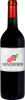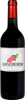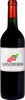
La Petite Cave ChamosonFendant
 wine
wine
This wine generally goes well with
The Fendant of the La Petite Cave Chamoson is in the top 0 of wines of Valais.
Details and technical informations about La Petite Cave Chamoson's Fendant.
Discover the grape variety: Refosco ped. rosso
Refosco dal peduncolo rosso is a very old grape variety, certainly finding its first origins in the region of Friuli situated in the north-eastern point of Italy. It should not be confused with terrano or refosco d'Istria, ... the one described here is more qualitative. It can be found in the former Yugoslavia, in Argentina, ... in France it is almost unknown. According to genetic analysis, it is the son of the marzemino, the grandson of the teroldego, the father of the corvina and the grandfather of the rondinella (Pierre Galet).
Informations about the La Petite Cave Chamoson
The La Petite Cave Chamoson is one of of the world's great estates. It offers 20 wines for sale in the of Valais to come and discover on site or to buy online.

The wine region of Valais
Switzerland's largest vineyard, capital of native grapes. Straight, precise alpine whites: light, floral Chasselas (Fendant), signature Petite Arvine with saline, grapefruit and rhubarb notes, rich, apricoty Amigne, mineral Humagne Blanche. Altitude reds: fine Pinot Noir, crisp Gamay, native Cornalin and Humagne Rouge, spicy and deep. Highly precise alpine age-worthy wines.
The word of the wine: Tense
Said of a lively and nervous wine.