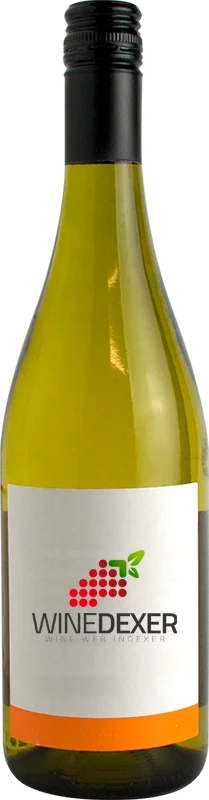
Winery Jean Claude MasEnigma Blanc
 White wine


This wine is a blend of 2 varietals which are the Chardonnay and the Viognier.
In the mouth this white wine is a powerful.
This wine generally goes well with vegetarian, poultry or lean fish.

Taste structure of the Enigma Blanc from the Winery Jean Claude Mas
Light | Bold | |
Dry | Sweet | |
Soft | Acidic |
In the mouth the Enigma Blanc of Winery Jean Claude Mas in the region of Pays d'Oc is a powerful.
Food and wine pairings with Enigma Blanc
Pairings that work perfectly with Enigma Blanc



Original food and wine pairings with Enigma Blanc


The Enigma Blanc of Winery Jean Claude Mas matches generally quite well with dishes of pasta, vegetarian or poultry such as recipes of chicken lasagna, quiche with bacon and gruyère cheese or lemongrass chicken.
Details and technical informations about Winery Jean Claude Mas's Enigma Blanc.
Discover the grape variety: Chardonnay
Whites with many faces: mineral and taut at Chablis (lemon, green apple, flint), opulent and buttery at Meursault and Puligny-Montrachet (hazelnut, brioche, yellow fruits), tense and chalky in Champagne (Blanc de Blancs). Also vinified sparkling and widely exported (Sonoma, Margaret River, Casablanca). A Burgundian variety, a cross of Pinot Noir × Gouais Blanc, half-sibling of Aligoté.
Last vintages of this wine

The best vintages of Enigma Blanc from Winery Jean Claude Mas are 2020, 0, 2019
Informations about the Winery Jean Claude Mas
The Winery Jean Claude Mas is one of of the world's great estates. It offers 148 wines for sale in the of Pays d'Oc to come and discover on site or to buy online.

The wine region of Pays d'Oc
The single-grape IGP par excellence: modern, accessible, frank and fruity wines, the popular signature of the Midi. Spicy Syrah reds (pepper, blackberry), round Merlot, structured Cabernet, generous Grenache, supple Cinsault. Crisp, tangy rosés. Opulent Chardonnay whites, lively Sauvignon, floral, apricoty Viognier.
The word of the wine: Ban des vendanges
Date of the beginning of the grape harvest, fixed by the lord in the tradition of the Middle Ages and, today, by the prefect.