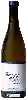
Winery J. CurtilJulienas
 Red wine
This wine generally goes well with pork, poultry or veal.
Food and wine pairings with Julienas
Pairings that work perfectly with Julienas



Original food and wine pairings with Julienas

The Julienas of Winery J. Curtil matches generally quite well with dishes of pasta, veal or pork such as recipes of pasta with chicken, peppers and mushrooms, sauté of veal with the moulinex cookeo or stuffed peppers.
Details and technical informations about Winery J. Curtil's Julienas.
Discover the grape variety: Zinfandel
From Croatia where it is called crljenak kastelanski or pribidrag. According to genetic analyses carried out by Professor Carole Meredith of California University in Davis (United States), it is related to the Croatian plavac mali and Zinfandel. It is also found in South Africa, New Zealand, Chile, Brazil, Germany, Bulgaria, Albania, Italy under the name of Primitivo, Malta, Greece, Portugal and to some extent in Croatia. In the United States (California), it is one of the most widely planted grape varieties, having been introduced in the 1830s well before Primitivo. In France, it is registered in the official catalogue of vine varieties on the A1 list under the name Primitivo.
Informations about the Winery J. Curtil
The Winery J. Curtil is one of of the world's greatest estates. It offers 2 wines for sale in the of Juliénas to come and discover on site or to buy online.

The wine region of Juliénas
Juliénas is an appellation covering wines produced from vineyards in the northern Beaujolais region of eastern France. The red wines of Juliénas, made from Gamay grapes, often have Spicy, Floral">floral and red fruit characters. They tend to be heavier than those of the neighboring appellation of Saint-Amour and some of its southern counterparts. Despite this, Julienas wines tend to have a shorter shelf life, and are best drunk no later than two or three years after the Vintage.
The wine region of Beaujolais
Beaujolais is an important wine region in eastern France, famous for its vibrant, Fruity red wines made from Gamay. It is located immediately South of Burgundy, of which it is sometimes considered a Part, although it is in the administrative region of Rhône. The extensive plantings of Gamay in this region make Beaujolais one of the few regions in the world that is so concentrated on a single Grape variety. Pinot Noir is used in small quantities in red and rosé wines, but in the name of regional identity, it is being phased out and will only be allowed until the 2015 harvest.
The word of the wine: Apyrene
Seedless grape.