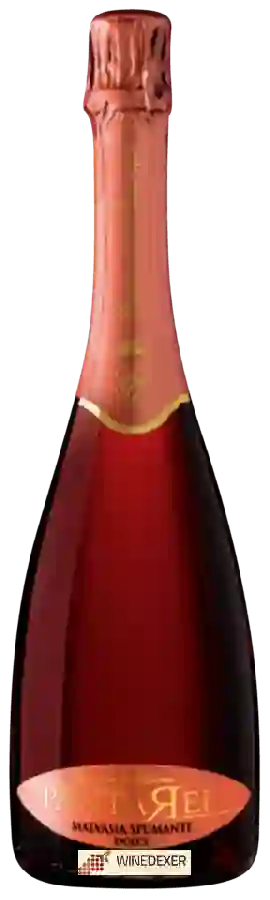
Winery CasorzoPantaRei Malvasia Dolce
 Sparkling wine



This wine generally goes well with
Details and technical informations about Winery Casorzo's PantaRei Malvasia Dolce.
Discover the grape variety: Marsanne
Marsanne is a white grape variety that originated in Montélimar in the Drôme, several centuries ago. Marsanne is also found in Cassis, Savoie, Languedoc-Roussillon and Saint-Péray in the Ardèche, where it produces remarkable sparkling wines. The warm, sunny climate of the Rhone Valley, Languedoc-Roussillon and Provence, as well as the dry, stony soil, are ideal conditions for its development. Its bunches are quite large and provide small, juicy berries that are sensitive to grey rot and strong winds. These two grape varieties complement each other perfectly: together they give light wines with little acidity, aromas of yellow fruit, white fruit and flowers with notes of honey and liquorice. This is for example what the appellations Saint-Péray, Hermitage, Crozes-Hermitage, Saint-Joseph, Côtes-du-Vallée du Rhône, Corbières, or Cassis express... which represent about 700 hectares.
Last vintages of this wine
The best vintages of PantaRei Malvasia Dolce from Winery Casorzo are 0
Informations about the Winery Casorzo
The Winery Casorzo is one of of the world's great estates. It offers 38 wines for sale in the of Malvasia di Casorzo d'Asti to come and discover on site or to buy online.

The wine region of Malvasia di Casorzo d'Asti
The wine region of Malvasia di Casorzo d'Asti is located in the region of Piémont of Italy. Wineries and vineyards like the Domaine Bartenura or the Domaine Sulin produce mainly wines sweet, white and red. On the nose of Malvasia di Casorzo d'Asti often reveals types of flavors of tree fruit, red fruit or oak and sometimes also flavors of earth, microbio or black fruit. In the mouth of Malvasia di Casorzo d'Asti is a powerful mainly marked by the residual sugar.
The wine region of Piedmont
Piedmont (Piemonte) holds an unrivalled place among the world's finest wine regions. Located in northwestern Italy, it is home to more DOCG wines than any other Italian region, including such well-known and respected names as Barolo, Barbaresco and Barbera d'Asti. Though famous for its Austere, Tannic, Floral">floral reds made from Nebbiolo, Piedmont's biggest success story in the past decade has been Moscato d'Asti, a Sweet, Sparkling white wine. Piedmont Lies, as its name suggests, at the foot of the Western Alps, which encircle its northern and western sides and form its naturally formidable border with Provence, France.
The word of the wine: Bracket
Black grape variety from Provence which contributes to the personality of the red wines of the AOC Bellet, near Nice. It gives a lightly colored but full-bodied wine that is good with age. Syn.: brachet.