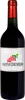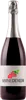
Winery BortolottiBullulae Brut
 wine
wine
This wine generally goes well with
The Bullulae Brut of the Winery Bortolotti is in the top 0 of wines of Conegliano-Valdobbiadene Prosecco.
Details and technical informations about Winery Bortolotti's Bullulae Brut.
Discover the grape variety: Triomphe d'Alsace
An interspecific cross between the 101-14 Millardet and Grasset (Vitis Riparia x Vitis Rupestris) and the knipperlé, obtained by Eugène Kuhlmann around 1911 and marketed from 1921. It can still be found in England, the United States, Canada, the Netherlands and Belgium. It should be noted that there is a grape variety of American origin, fortunately white, bearing the name of triumph (concord x chasselas musqué).
Informations about the Winery Bortolotti
The Winery Bortolotti is one of of the world's great estates. It offers 25 wines for sale in the of Conegliano-Valdobbiadene Prosecco to come and discover on site or to buy online.

The wine region of Conegliano-Valdobbiadene Prosecco
The wine region of Conegliano-Valdobbiadene Prosecco is located in the region of Prosecco of Vénétie of Italy. Wineries and vineyards like the Domaine Andrea da Ponte or the Domaine Rebuli produce mainly wines sweet and sparkling. On the nose of Conegliano-Valdobbiadene Prosecco often reveals types of flavors of tree fruit, citrus fruit. In the mouth of Conegliano-Valdobbiadene Prosecco is a with a nice vivacity and a fine and pleasant bubble.
The wine region of Veneto
Veneto is an important and growing wine region in northeastern Italy. Veneto is administratively Part of the Triveneto area, aLong with its smaller neighbors, Trentino-Alto Adige and Friuli-Venezia Giulia. In terms of geography, culture and wine styles, it represents a transition from the Alpine and Germanic-Slavic end of Italy to the warmer, drier, more Roman lands to the South. Veneto is slightly smaller than the other major Italian wine regions - Piedmont, Tuscany, Lombardy, Puglia and Sicily - but it produces more wine than any of them.
The word of the wine: Consistency
In tasting, it is the equivalent of chewing (the chewiness of a tannic red wine is also mentioned). We then speak of firmness, fluidity, softness, hardness, and why not the crunchiness of an early wine by reference to the grape.