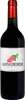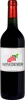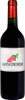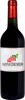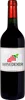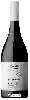
Winery InfinitaeAragonez
 Red wine


In the mouth this red wine is a powerful with a nice balance between acidity and tannins.
This wine generally goes well with poultry, beef or veal.
Taste structure of the Aragonez from the Winery Infinitae
Light | Bold | |
Smooth | Tannic | |
Dry | Sweet | |
Soft | Acidic |
In the mouth the Aragonez of Winery Infinitae in the region of Alentejano is a powerful with a nice balance between acidity and tannins.
Food and wine pairings with Aragonez
Pairings that work perfectly with Aragonez



Original food and wine pairings with Aragonez

The Aragonez of Winery Infinitae matches generally quite well with dishes of beef, lamb or veal such as recipes of piglet shoulder with melting baked apples, lamb tagine with peppers and artichoke bottoms or veal shank with mushrooms.
Details and technical informations about Winery Infinitae's Aragonez.
Discover the grape variety: Bonne Vituaigne
It is most certainly native to the Ardèche and is not found in any other French region, let alone abroad. Today, it is practically not multiplied any more and thus in very clear way of disappearance.
Last vintages of this wine
The best vintages of Aragonez from Winery Infinitae are 2013, 0, 2015
Informations about the Winery Infinitae
The Winery Infinitae is one of of the world's greatest estates. It offers 18 wines for sale in the of Alentejano to come and discover on site or to buy online.

The wine region of Alentejano
Tejo">Alentejo is a well-known, highly respected wine region in eastern Portugal. This hot, Dry area covers approximately a third of the country and is best known for its red wine, the best of which are sold under the and Alentejo DOC (Denominacao de Origem Controlada) title. Wine from Alentejo is typically made from Aragonez (Tempranillo), Castelao, Trincadeira or a Rich, ripe, jammy blend of the three. Antao Vaz is the white variety of choice here, producing a good level of Acidity and tropical fruit flavors.
The word of the wine: Muscat blanc à petits grains
A white grape variety cultivated since antiquity on the shores of the Mediterranean, it is considered the noblest of the muscats. It is mainly used to make sweet wines, often from mutage. In France, it is the sole variety used in many natural sweet wines: muscat-de-frontignan, muscat-de-mireval, muscat-de-lunel, muscat-de-saint-jean-de-minervois, muscat-de-beaumes-de-venise, muscat-du-cap-corse. Combined with Muscat d'Alexandrie, it gives Muscat-de-Rivesaltes. It is also used to make sparkling white wines (clairette-de-die; moscato d'asti and asti spumante in Italy) and dry wines (alsace-muscat). Powerfully aromatic and complex, its wines evoke fresh grapes, roses, exotic fruits, citrus fruits and spices.