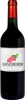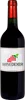
Winery Ilocki PodrumiFrankovka
 Red wine



This wine generally goes well with pork, rich fish (salmon, tuna etc) or mature and hard cheese.

Food and wine pairings with Frankovka
Pairings that work perfectly with Frankovka



Original food and wine pairings with Frankovka

The Frankovka of Winery Ilocki Podrumi matches generally quite well with dishes of pork, rich fish (salmon, tuna etc) or mature and hard cheese such as recipes of roast pork with prunes, tuna pizza or fusillis natalias.
Details and technical informations about Winery Ilocki Podrumi's Frankovka.
Discover the grape variety: Nero d'Avola
Full-bodied, warm reds with deep colour and generous alcohol, with aromas of blackberry, black cherry jam, plum, liquorice, chocolate and Mediterranean spice. Ripe tannins and a broad, sunny finish. The star of Sicily (Nero d'Avola Sicilia DOC, Cerasuolo di Vittoria DOCG blended with Frappato, Eloro DOC). Native Sicilian variety, also called Calabrese, the most planted on the island.
Last vintages of this wine
The best vintages of Frankovka from Winery Ilocki Podrumi are 2015, 2014, 0, 2016
Informations about the Winery Ilocki Podrumi
The Winery Ilocki Podrumi is one of of the world's great estates. It offers 34 wines for sale in the of Continental Region to come and discover on site or to buy online.

The wine region of Continental Region
Vast inland Croatia (Kontinentalna Hrvatska) from Karlovac to Vukovar via Zagreb, continental climate distinct from the Mediterranean coast. Signature Graševina (Welschriesling) as white king: lively and fruity with notes of green apple, pear, citrus, white flowers, sweet almond and a mineral touch, taut and thirst-quenching palate — the inland soul (two-thirds whites). Aromatic Traminac (lychee, rose), fine Pinot Blanc, full Chardonnay, taut Riesling. Airy Pinot Noir emerges.
The word of the wine: Côte des Bar
This is the name given to the vineyards of the Aube, which are closer to Burgundy, and some of the wines produced here bear witness to this proximity. The pinot noir dominates, the meunier is practically absent. Two crus have become references: Riceys, where a rosé without bubbles is also produced, and Montgueux near Troyes, renowned for its Chardonnay.