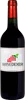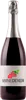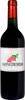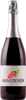
Winery I MonticelliMontuni Reno
 wine
wine
This wine generally goes well with
The Montuni Reno of the Winery I Monticelli is in the top 0 of wines of Reno.
Details and technical informations about Winery I Monticelli's Montuni Reno.
Discover the grape variety: Scarlotta seedless
Intraspecific cross between sun world.seedling 89345-090-144 and sun world seedling 89361-091-364 obtained in California (USA) by Cain David Wayne from Sun World International Inc. Not known in France, we can meet it in England, in Spain, in Chile, ... . It should be of interest to amateur gardeners.
Informations about the Winery I Monticelli
The Winery I Monticelli is one of of the world's greatest estates. It offers 4 wines for sale in the of Reno to come and discover on site or to buy online.

The wine region of Reno
The wine region of Reno is located in the region of Émilie-Romagne of Italy. Wineries and vineyards like the Domaine Branchini or the Domaine Corte del Borgo produce mainly wines sparkling, white and red. The most planted grape varieties in the region of Reno are Chardonnay, Pinot blanc and Pinot noir, they are then used in wines in blends or as a single variety. On the nose of Reno often reveals types of flavors of tree fruit, citrus fruit.
The wine region of Emilia-Romagna
Romagna/emilia">Emilia-Romagna is a Rich and fertile region in Northern Italy, and one of the country's most prolific wine-producing regions, with over 58,000 hectares (143,320 acres) of vines in 2010. It is 240 kilometers (150 miles) wide and stretches across almost the entire northern Italian peninsula, sandwiched between Tuscany to the South, Lombardy and Veneto to the north and the Adriatic Sea to the east. Nine miles of Liguria is all that separates Emilia-Romagna from the Ligurian Sea, and its uniqueness as the only Italian region with both an east and west coast. Emilia-Romagna's wine-growing heritage dates back to the seventh century BC, making it one of the oldest wine-growing regions in Italy.
The word of the wine: Discharge
In the traditional method, elimination of the yeast deposit formed during the second fermentation in the bottle.