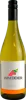
Winery KatunarZlahtina Vinogorje Krk
 Red wine



This wine generally goes well with
Wine flavors and olphactive analysis


On the nose the Zlahtina Vinogorje Krk of Winery Katunar in the region of Dalmatian Coast often reveals types of flavors of earth, citrus fruit.
Details and technical informations about Winery Katunar's Zlahtina Vinogorje Krk.
Discover the grape variety: Cabernet blanc
Interspecific cross between Cabernet Sauvignon and a long-unknown grape variety - that would be Regent - obtained in 1991 by Valentin Blattner from Soyhières (Switzerland) and propagated by Volker Freytag (Germany). No resistance gene has been identified to either mildew or powdery mildew. Cabernet blanc can be found in Switzerland, Belgium, the Netherlands, Germany, Austria, Luxembourg, the Czech Republic, Italy, England, etc., but is still little known in France.
Last vintages of this wine
The best vintages of Zlahtina Vinogorje Krk from Winery Katunar are 2017, 2012, 2016, 2014 and 0.
Informations about the Winery Katunar
The Winery Katunar is one of of the world's greatest estates. It offers 16 wines for sale in the of Dalmatian Coast to come and discover on site or to buy online.

The wine region of Dalmatian Coast
The wine region of Dalmatian Coast of Croatia. Wineries and vineyards like the Domaine Bibich or the Domaine Boškinac produce mainly wines red and white. The most planted grape varieties in the region of Dalmatian Coast are Plavac mali, Merlot and Cabernet-Sauvignon, they are then used in wines in blends or as a single variety. On the nose of Dalmatian Coast often reveals types of flavors of pineapple, black currant or cola and sometimes also flavors of dark fruit, cinnamon or prune.
The word of the wine: Oxidative (breeding)
A method of ageing which aims to give the wine certain aromas of evolution (dried fruit, bitter orange, coffee, rancio, etc.) by exposing it to the air; it is then matured either in barrels, demi-muids or unoaked casks, sometimes stored in the open air, or in barrels exposed to the sun and to temperature variations. This type of maturation characterizes certain natural sweet wines, ports and other liqueur wines.