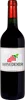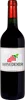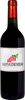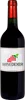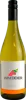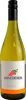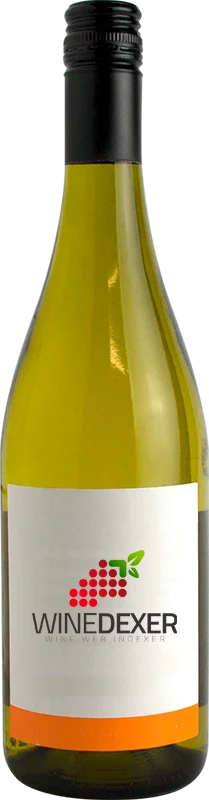
Winery Hof Te DierenCuvée Willem II
 White wine


This wine is a blend of 2 varietals which are the Seyval blanc and the Solaris.
This wine generally goes well with
The Cuvée Willem II of the Winery Hof Te Dieren is in the top 70 of wines of Gelderland.
Details and technical informations about Winery Hof Te Dieren's Cuvée Willem II.
Discover the grape variety: Seyval blanc
A relative of the Saint Pepin, this direct-producing hybrid is the result of an interspecific cross between 5656 Seibel and Ray d'Or (4986 Seibel) obtained in 1921 by the Seyve-Villard company, formerly based in Saint Vallier (Drôme). Seyval blanc is registered in the official catalogue of wine grape varieties, list A. It can be found in the United States, Canada, Brazil, Australia, South Africa, Great Britain, the Netherlands, Germany, Romania, Switzerland, etc. It is practically non-existent in France and is in danger of disappearing.
Last vintages of this wine

The best vintages of Cuvée Willem II from Winery Hof Te Dieren are 2013, 2015, 0
Informations about the Winery Hof Te Dieren
The Winery Hof Te Dieren is one of of the world's greatest estates. It offers 13 wines for sale in the of Gelderland to come and discover on site or to buy online.

The wine region of Gelderland
The wine region of Gelderland of Netherlands. Wineries and vineyards like the Domaine Betuws Wijndomein or the Domaine Betuws Wijndomein produce mainly wines white, red and sparkling. The most planted grape varieties in the region of Gelderland are Johanniter, Regent and Solaris, they are then used in wines in blends or as a single variety. On the nose of Gelderland often reveals types of flavors of citrus, apples or minerality and sometimes also flavors of earth, tree fruit or citrus fruit.
The word of the wine: Deposit
Solid particles that can naturally coat the bottom of a bottle of wine. It is rather a guarantee that the wine has not been mistreated: in fact, to avoid the natural deposit, rather violent processes of filtration or cold passage (- 7 or - 8 °C) are used in order to precipitate the tartar (the small white crystals that some people confuse with crystallized sugar: just taste to dissuade you from it)