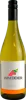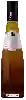
Winery HildegardishofBinger Bubenstück Kerner und Scheurebe Beerenauslese
 Sweet wine


This wine is a blend of 2 varietals which are the Kerner and the Scheurebe.
This wine generally goes well with

Details and technical informations about Winery Hildegardishof's Binger Bubenstück Kerner und Scheurebe Beerenauslese.
Discover the grape variety: Kerner
Aromatic, structured whites with lively acidity and a slender mouth, featuring muscat-like aromas of white peach, apricot, white flowers, citrus and Riesling-like notes. Made as nervy dry wines (Trocken), off-dry (Kabinett, Spätlese) and mineral high-altitude cuvées. Grown in Germany (Rheinhessen, Palatinate, Württemberg), northern Italy (Alto Adige in the high Val Venosta valleys) and Japan. A Trollinger × Riesling cross created in 1929 in Weinsberg.
Last vintages of this wine
The best vintages of Binger Bubenstück Kerner und Scheurebe Beerenauslese from Winery Hildegardishof are 1994, 0
Informations about the Winery Hildegardishof
The Winery Hildegardishof is one of of the world's greatest estates. It offers 53 wines for sale in the of Rheinhessen to come and discover on site or to buy online.

The wine region of Rheinhessen
71% white region: Riesling is king (5,000 ha), dry to off-dry, ripe yellow fruit, apple, citrus and fine saline minerality. Supple, floral Müller-Thurgau for everyday, the world's largest Silvaner plantation with herbaceous, straight notes. Historic cradle of off-sweet Liebfraumilch. Some supple reds (Dornfelder, Spätburgunder).
The word of the wine: Cooked wine
In Provence, wine made from must cooked and reduced over a wood fire, traditionally consumed at Christmas time with the thirteen desserts.