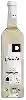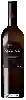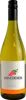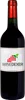
Winery Hasi BerriakBaserritar
 wine
wine
This wine generally goes well with
The Baserritar of the Winery Hasi Berriak is in the top 0 of wines of Bizkaiko Txakolina.

Details and technical informations about Winery Hasi Berriak's Baserritar.
Discover the grape variety: Cabernet-Dorsa
Very deeply coloured, structured reds with an inky robe, firm tannins and fresh acidity, with intense aromas of blackcurrant, blackberry, plum, pepper, spice and herbal blackcurrant-leaf notes. Dense palate, persistent finish. Grown in Germany (Württemberg, Palatinate, Rheinhessen) for modern-styled dry reds and blends seeking colour and substantial structure. German variety created in 1971 in Weinsberg, a cross of Dornfelder × Cabernet Sauvignon.
Informations about the Winery Hasi Berriak
The Winery Hasi Berriak is one of of the world's greatest estates. It offers 4 wines for sale in the of Bizkaiko Txakolina to come and discover on site or to buy online.

The wine region of Bizkaiko Txakolina
DO of the Spanish Basque Country (Biscay, ~250 ha), rainy oceanic climate, argilo-calcareous soils. Hondarrabi Zuri is the signature white king (~90%): dry and crisp with green apple, lemon zest, herbs, white flowers and a briny iodine touch, light natural perlant and lively acidity. Tradition of serving in cascade to aerate. Petit Courbu and Manseng as complements.
The wine region of El Pais Vasco
Spanish Basque Country (Euskadi) on the Cantabrian coast near Bilbao, humid oceanic climate. Hondarrabi Zuri is the signature white for Txakoli: dry, lively and slightly sparkling with citrus, green apple, white flowers and saline iodine notes, cutting acidity and low alcohol - poured from height to release the pétillant, the pintxos companion. Hondarrabi Beltza for light reds and crisp rosés. Three DOs: Getariako, Bizkaiko and Arabako Txakolina.
The word of the wine: Draft liquor (champagne)
After blending, the wine is bottled with a liqueur de tirage (a mixture of sugar and wine) and a yeast (selected yeasts). The yeast attacks the sugar and creates carbon dioxide. The fermentation, which lasts about two months, is prolonged by an ageing period (15 months minimum in total). The bottle is capped (some rare vintages are capped with a staple and a cork).