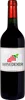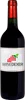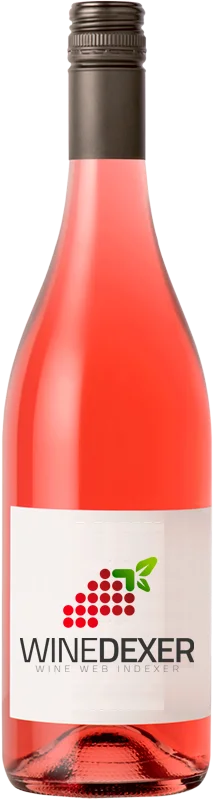
Winery HalkiaAgiorgitiko Rosé
 Pink wine


This wine generally goes well with
The Agiorgitiko Rosé of the Winery Halkia is in the top 30 of wines of Korinthos.

Details and technical informations about Winery Halkia's Agiorgitiko Rosé.
Discover the grape variety: Agiorgitiko
Supple and structured reds with a deep ruby colour, melted tannins and moderate acidity, on intense aromas of ripe red and black fruits (cherry, plum, blackberry), sweet spices, Mediterranean herbs and balsamic notes. Made as young approachable reds, fresh rosés and barrel-aged keepers. The absolute star of Nemea PDO in the Peloponnese (Greece's flagship red appellation). Native Greek variety, one of the most widely planted in the country.
Last vintages of this wine
The best vintages of Agiorgitiko Rosé from Winery Halkia are 0
Informations about the Winery Halkia
The Winery Halkia is one of of the world's greatest estates. It offers 3 wines for sale in the of Korinthos to come and discover on site or to buy online.

The wine region of Korinthos
IGP of the north-east Peloponnese (Corinthia) between the Gulf of Corinth and Mount Kyllini, rolling hills close to Athens. Agiorgitiko native signature red: supple and fruity with cherry, blackberry, plum, violet, spice and herbal hints, round tannins and medium acidity — from everyday drinking to cellar-worthy, versatile in sweet and sparkling. Roditis rosé-grey signature white with citrus and melon. Floral Moschofilero, Chardonnay and Sauvignon as complements.
The wine region of Peloponnesos
Southern Greece, the country's 2nd region by volume, high-altitude vineyards (200-900 m). Signature Agiorgitiko at Nemea ("Hercules' Blood"): deep ruby reds with signature notes of black cherry, plum, blackberry, sweet spices and a balsamic touch, supple tannins and a velvety palate — fleshy and accessible. At Mantinia (600 m), pink-skinned Moschofilero gives aromatic whites (rose, citrus, white flowers). Sweet fortified Mavrodaphne, fresh Roditis.
The word of the wine: Drawing (liqueur de)
In champagne and sparkling wines of traditional method, addition to the wine, at the time of bottling (tirage) of sugars and yeasts dissolved in wine. These components will provoke the second fermentation in the bottle leading to the formation of carbon dioxide bubbles.