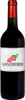
Winery H Heller SohnMosel Dornfelder Trocken
 Red wine
In the mouth this red wine is a .
This wine generally goes well with pork, poultry or veal.
Taste structure of the Mosel Dornfelder Trocken from the Winery H Heller Sohn
Light | Bold | |
Smooth | Tannic | |
Dry | Sweet | |
Soft | Acidic |
In the mouth the Mosel Dornfelder Trocken of Winery H Heller Sohn in the region of Mosel is a .
Food and wine pairings with Mosel Dornfelder Trocken
Pairings that work perfectly with Mosel Dornfelder Trocken



Original food and wine pairings with Mosel Dornfelder Trocken

The Mosel Dornfelder Trocken of Winery H Heller Sohn matches generally quite well with dishes of pasta, veal or pork such as recipes of chinese soy and chicken noodles (wok style), vital tone / vitello tonnato (italy) or rabbit in sauce.
Details and technical informations about Winery H Heller Sohn's Mosel Dornfelder Trocken.
Discover the grape variety: Dornfelder
German, intraspecific cross made in 1955 by August Karl Herold (1902-1973) between the helfensteiner and the heroldrebe (more details, click here!). With these same parents he also obtained the hegel. The Dornfelder can be found in Switzerland, United Kingdom, Belgium, Germany, Austria, Czech Republic, Canada, United States, ... . Virtually unknown in France, we nevertheless recognize a certain interest in it due to its short phenological cycle and the quality of its wines, both rosé and red.
Informations about the Winery H Heller Sohn
The Winery H Heller Sohn is one of of the world's greatest estates. It offers 9 wines for sale in the of Mosel to come and discover on site or to buy online.

The wine region of Mosel
Mosel is the most famous of Germany's 13 official wine regions, and also the third largest in terms of production. As with many German regions, it is most aasociated with a range of wine styles made from the Riesling grape variety, but Müller-Thurgau is also widely planted. The best Mosel Riesling wines are some of the finest whites in the world. Light and low in Alcohol, they can be intensely fragrant with beguiling Floral">floral and Mineral notes, and a wonderful Balance of sweetness and Acidity.
The word of the wine: Trader-breeder
In the major wine regions, the négociant does not simply buy and resell the wines but, from very young wines, carries out all the maturing operations until bottling.