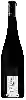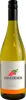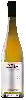
Winery GussekNaumburger Grüner Silvaner
 White wine


In the mouth this white wine is a with a nice freshness.
This wine generally goes well with pork, vegetarian or poultry.

Taste structure of the Naumburger Grüner Silvaner from the Winery Gussek
Light | Bold | |
Dry | Sweet | |
Soft | Acidic |
In the mouth the Naumburger Grüner Silvaner of Winery Gussek in the region of Saale-Unstrut is a with a nice freshness.
Food and wine pairings with Naumburger Grüner Silvaner
Pairings that work perfectly with Naumburger Grüner Silvaner



Original food and wine pairings with Naumburger Grüner Silvaner


The Naumburger Grüner Silvaner of Winery Gussek matches generally quite well with dishes of veal, pork or vegetarian such as recipes of duck breast with red fruits, pork gyros or quiche lorraine.
Details and technical informations about Winery Gussek's Naumburger Grüner Silvaner.
Discover the grape variety: Picpoul Blanc
Crisp, nervy dry whites with a pale golden colour, a taut palate and signature cutting acidity ("lip-stinger"), showing aromas of citrus (lemon, grapefruit), white flowers (hawthorn), green apple, Mediterranean herbs and saline marine notes. A perfect match with oysters and shellfish. The absolute star of Picpoul de Pinet AOC, Languedoc's great dry white. Indigenous French variety of the Languedoc, synonym of Piquepoul blanc.
Last vintages of this wine
The best vintages of Naumburger Grüner Silvaner from Winery Gussek are 0
Informations about the Winery Gussek
The Winery Gussek is one of of the world's great estates. It offers 47 wines for sale in the of Saale-Unstrut to come and discover on site or to buy online.

The wine region of Saale-Unstrut
Germany's northernmost region (Saxony-Anhalt), ~650 ha. Nordic whites that are dry, lively and mineral with signature notes of green apple, citrus, white flowers, fresh herbs and a crisp finish — a direct, thirst-quenching style. Dominant Muller-Thurgau (~22%) light and floral, Weissburgunder (Pinot Blanc) round and precise, herbaceous Silvaner and taut Riesling. Early grapes suited to the harsh continental climate.
The word of the wine: Cryo-extraction
This technique was very popular at the end of the 80's in Sauternes, a little less so now. The grapes are frozen before pressing, and the water transformed into ice remains in the marc, only the sugar flows out. As with the concentrators, the "cryo" can also increase bad taste and greenness.