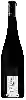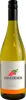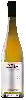
Winery GussekMüller-Thurgau Feinherb
 White wine
In the mouth this white wine is a .
This wine generally goes well with vegetarian, appetizers and snacks or lean fish.

Taste structure of the Müller-Thurgau Feinherb from the Winery Gussek
Light | Bold | |
Dry | Sweet | |
Soft | Acidic |
In the mouth the Müller-Thurgau Feinherb of Winery Gussek in the region of Saale-Unstrut is a .
Food and wine pairings with Müller-Thurgau Feinherb
Pairings that work perfectly with Müller-Thurgau Feinherb



Original food and wine pairings with Müller-Thurgau Feinherb


The Müller-Thurgau Feinherb of Winery Gussek matches generally quite well with dishes of shellfish, spicy food or vegetarian such as recipes of armorican-style squid, piperade or zucchini quiche.
Details and technical informations about Winery Gussek's Müller-Thurgau Feinherb.
Discover the grape variety: Müller-Thurgau
Light, aromatic whites with a tender palate and moderate acidity, with muscat-like aromas of white flowers, apple, citrus, peach and honeyed notes. Made as easy dry whites, popular semi-dry wines and some sparkling cuvées. Widely planted in Germany (Rheinhessen, Baden), northern Italy (Alto Adige, Trentino), Austria, Switzerland, Hungary and Japan. Cross of riesling × madeleine royale created in 1882 by Hermann Müller in Geisenheim.
Informations about the Winery Gussek
The Winery Gussek is one of of the world's great estates. It offers 47 wines for sale in the of Saale-Unstrut to come and discover on site or to buy online.

The wine region of Saale-Unstrut
Germany's northernmost region (Saxony-Anhalt), ~650 ha. Nordic whites that are dry, lively and mineral with signature notes of green apple, citrus, white flowers, fresh herbs and a crisp finish — a direct, thirst-quenching style. Dominant Muller-Thurgau (~22%) light and floral, Weissburgunder (Pinot Blanc) round and precise, herbaceous Silvaner and taut Riesling. Early grapes suited to the harsh continental climate.
The word of the wine: Alcoholic fermentation
Transformation of sugars into alcohol under the effect of yeast. These yeasts exist in their natural state in the vineyards and in the cellars. Artificial seeding with selected yeasts is however very often practiced.