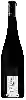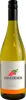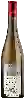
Winery GussekKaatschener Dachsberg Grauer Burgunder
 White wine



In the mouth this white wine is a .
This wine generally goes well with pork, cured meat or mushrooms.

Taste structure of the Kaatschener Dachsberg Grauer Burgunder from the Winery Gussek
Light | Bold | |
Dry | Sweet | |
Soft | Acidic |
In the mouth the Kaatschener Dachsberg Grauer Burgunder of Winery Gussek in the region of Saale-Unstrut is a .
Food and wine pairings with Kaatschener Dachsberg Grauer Burgunder
Pairings that work perfectly with Kaatschener Dachsberg Grauer Burgunder


Original food and wine pairings with Kaatschener Dachsberg Grauer Burgunder

The Kaatschener Dachsberg Grauer Burgunder of Winery Gussek matches generally quite well with dishes of pork, spicy food or mushrooms such as recipes of light stuffed tomatoes, pork chops with curry and honey or chicken with white wine and olives.
Details and technical informations about Winery Gussek's Kaatschener Dachsberg Grauer Burgunder.
Discover the grape variety: Dakapo
Deeply coloured, supple reds with an intense, almost opaque purple colour, soft tannins and an ample palate, with signature aromas of black fruits (blackcurrant, blackberry), gentle spices and inky notes. Accessible teinturier profile. Used in blending to boost colour in light reds; grown on small areas in Germany, Switzerland and Belgium. German hybrid teinturier variety bred in 1958 (Deckrot × Portugieser).
Last vintages of this wine
The best vintages of Kaatschener Dachsberg Grauer Burgunder from Winery Gussek are 0
Informations about the Winery Gussek
The Winery Gussek is one of of the world's greatest estates. It offers 47 wines for sale in the of Saale-Unstrut to come and discover on site or to buy online.

The wine region of Saale-Unstrut
Germany's northernmost region (Saxony-Anhalt), ~650 ha. Nordic whites that are dry, lively and mineral with signature notes of green apple, citrus, white flowers, fresh herbs and a crisp finish — a direct, thirst-quenching style. Dominant Muller-Thurgau (~22%) light and floral, Weissburgunder (Pinot Blanc) round and precise, herbaceous Silvaner and taut Riesling. Early grapes suited to the harsh continental climate.
The word of the wine: Liquid
Sweet wine containing more than 50 grams of residual sugar per liter. Sweet wines are made from grapes often affected by botrytis cinerea and concentrated either by passerillage (drying of the grapes on the vine stock), or after the harvest (straw wines), or by the cold (ice wines).