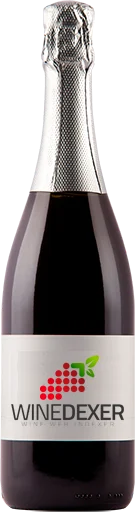
Winery Good CleanSpumante
 Sparkling wine
This wine generally goes well with

Details and technical informations about Winery Good Clean's Spumante.
Discover the grape variety: Aubin
Simple, fresh dry whites with a pale golden hue, a supple palate with moderate acidity and discreet aromas of citrus and white flowers. Discreet Lorraine profile. Sensitive to powdery mildew and close to extinction, preserved by growers of the Côtes-de-Toul AOC and part of the Lorraine wine heritage, contributing to limited identity cuvées. White Lorraine autochthonous variety, a cross of Pinot Noir × Gouais Blanc.
Informations about the Winery Good Clean
The Winery Good Clean is one of of the world's greatest estates. It offers 2 wines for sale in the of Modena to come and discover on site or to buy online.

The wine region of Modena
Historic cradle of Lambrusco in Emilia-Romagna, alluvial Po plain. Three signature Lambruscos in fresh, fruity sparkling reds. Lambrusco di Sorbara: fine and pale pink (strawberry, raspberry, flowers). Lambrusco Grasparossa di Castelvetro: full-bodied with deep ruby robe (black mulberry, cherry, violet, spices), fleshy tannins — partner to charcuterie.
The wine region of Emilia-Romagna
Kingdom of Lambrusco: fresh, fruity sparkling reds (blackberry, cherry, violet), from gourmet dry to convivial off-dry, perfect with local charcuterie. World's best-selling sparkling wine on the Emilia side (Sorbara, Grasparossa, Salamino). East, Romagna: supple fruity Sangiovese, Albana (Italy's 1st white DOCG, 1987) ample and almondy. Also red Gutturnio and white Pignoletto.
The word of the wine: Nouaison
Phase of the vegetative cycle of the vine following flowering and corresponding to the formation of the grape berry.