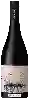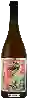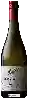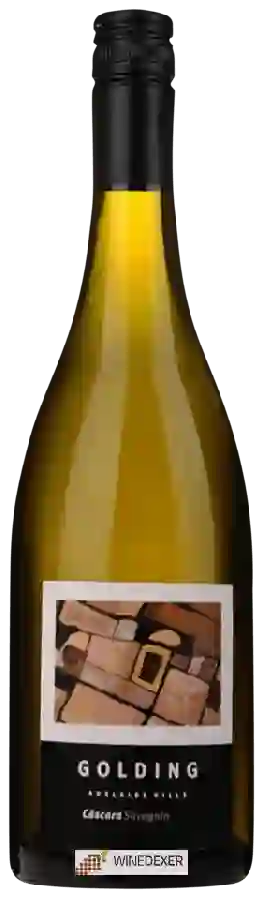
Winery GoldingCáscara Savagnin
 White wine



This wine generally goes well with

Wine flavors and olphactive analysis

On the nose the Cáscara Savagnin of Winery Golding in the region of Australie du Sud often reveals types of flavors of citrus fruit.
Details and technical informations about Winery Golding's Cáscara Savagnin.
Discover the grape variety: Dobricic
Structured and intensely coloured reds with a deep ruby colour, firm tannins and dense palate, with signature aromas of black fruit (blackberry, blackcurrant), Mediterranean herbs, spices and saline marine notes. A confidential, sun-drenched Dalmatian profile. Grown almost exclusively on the island of Šolta, it embodies the ancient identity of Dalmatia. A very rare indigenous Croatian black variety, parent of Plavac Mali (a cross with Crljenak Kaštelanski = Zinfandel/Primitivo).
Last vintages of this wine
The best vintages of Cáscara Savagnin from Winery Golding are 0
Informations about the Winery Golding
The Winery Golding is one of of the world's great estates. It offers 19 wines for sale in the of Adelaide Hills to come and discover on site or to buy online.

The wine region of Adelaide Hills
South Australian showcase of fresh high-altitude whites: signature Sauvignon Blanc as white king (~30%) — lively and crisp with notes of grapefruit, passion fruit, cut grass and a mineral touch, taut acidity. Racy Chardonnay (citrus, peach, minerality), airy Pinot Noir (cherry, raspberry, undergrowth) and spicy Shiraz as complement. Renowned traditional-method sparklers. Hills east of Adelaide (Mount Lofty Ranges, 400-650 m), among the coolest in Australia.
The wine region of Australie du Sud
Cradle of the great Australian Shiraz: powerful, sun-drenched reds with notes of blackberry, candied plum, pepper, chocolate and eucalyptus, ample tannins and vibrant fruit (Barossa, McLaren Vale). Firm, minty Cabernet Sauvignon on Coonawarra (terra rossa). Dry, lemony Riesling from Clare and Eden Valley, straight and taut. Fresh Sauvignon and Chardonnay from Adelaide Hills.
The word of the wine: Brut nature (or ultra brut)
A type of champagne that has not received any dosage liqueur.