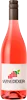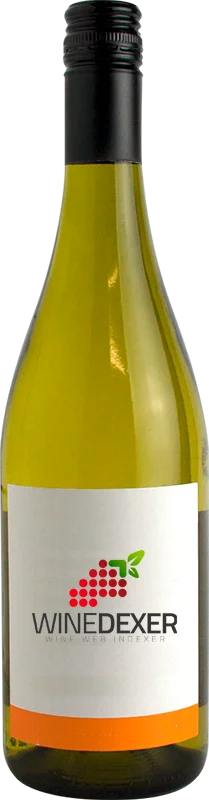
Winery GoesTradição Rosé Licoroso
 Sweet wine


This wine generally goes well with sweet desserts
Food and wine pairings with Tradição Rosé Licoroso
Pairings that work perfectly with Tradição Rosé Licoroso

Original food and wine pairings with Tradição Rosé Licoroso
The Tradição Rosé Licoroso of Winery Goes matches generally quite well with dishes of sweet desserts such as recipes of king's cake with frangipane.
Details and technical informations about Winery Goes's Tradição Rosé Licoroso.
Discover the grape variety: Madeleine angevine
Resulting from a sowing carried out in 1857 in Angers (Maine and Loire Valley) by Jean-Pierre Vibert and from 1863 marketed by the Moreau-Robert company. According to genetic analyses, this variety is the result of a cross between the royal madeleine and the blanc d'ambre. It has been used very often by hybridizers, the Csaba pearl being a good example. This variety is found in the United States (Washington), Germany and England, where it is vinified and its wine appreciated. - Synonymy: Angevine (for all the synonyms of the varieties, click here!).
Last vintages of this wine
The best vintages of Tradição Rosé Licoroso from Winery Goes are 2008, 0
Informations about the Winery Goes
The Winery Goes is one of of the world's great estates. It offers 35 wines for sale in the of Sao Paulo to come and discover on site or to buy online.

The wine region of Sao Paulo
Brazil is the largest country in South America and the fifth-largest in the world. It has a sizable wine industry, but is probably best known in global markets for spirits, and in particular Cachaça. With roughly 83,000 hectares (205,000 acres) of Vineyard">Vineyard, it ranks just behind its near-neighbors Argentina and Chile in terms of acreage under vine. Only a small proportion (about 10 percent) of these acres are planted with Vitis vinifera vines, however this large acreage does not translate into large volumes of quality wine.
The word of the wine: Bracket
Black grape variety from Provence which contributes to the personality of the red wines of the AOC Bellet, near Nice. It gives a lightly colored but full-bodied wine that is good with age. Syn.: brachet.