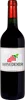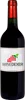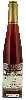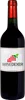
Glenguin EstateGlenguin Vineyard Sémillon
 White wine


This wine generally goes well with poultry, rich fish (salmon, tuna etc) or shellfish.

Food and wine pairings with Glenguin Vineyard Sémillon
Pairings that work perfectly with Glenguin Vineyard Sémillon



Original food and wine pairings with Glenguin Vineyard Sémillon

The Glenguin Vineyard Sémillon of Glenguin Estate matches generally quite well with dishes of rich fish (salmon, tuna etc), shellfish or sweet desserts such as recipes of sea bream in foil on the barbecue, spanish seafood paella or yoghurt cake.
Details and technical informations about Glenguin Estate's Glenguin Vineyard Sémillon.
Discover the grape variety: Mondeusehe
Light, lively whites to drink young with a pale golden colour, airy palate with preserved acidity, showing undemonstrative aromas of citrus and alpine white flowers. Discreet Savoyard profile. Very rare, preserved for its heritage value, part of the ancient alpine varieties studied for their genetic and ampelographic interest in French collections. Rare French white variety, sometimes given as a synonym for the Savoyard Mondeuse Blanche.
Last vintages of this wine
The best vintages of Glenguin Vineyard Sémillon from Glenguin Estate are 0
Informations about the Glenguin Estate
The Glenguin Estate is one of of the world's greatest estates. It offers 14 wines for sale in the of Hunter Valley to come and discover on site or to buy online.

The wine region of Hunter Valley
Cradle of Australian viticulture (1825), 160 km north of Sydney. World signature: dry low-alcohol Sémillon (10-11°) with fresh citrus notes in youth, evolving after 10-15 years to candied lemon, toast, honey and beeswax, spectacular ageing. Medium-bodied "Hunter style" Shiraz, supple and earthy (leather, plum, sweet spices), capable of decades. Also Chardonnay and Verdelho.
The wine region of Nouvelle-Galles du Sud
Australia's 2nd wine state with diverse regions. Iconic Hunter Valley: a Sémillon unlike any other, straight, low-alcohol dry whites with vivid citrus when young, evolving over 10-20 years toward honey, toast and lanolin. Medium-bodied Hunter Shiraz, spicy and earthy (leather, red fruits). Also round Chardonnay and aromatic Verdelho.
The word of the wine: Broker
In the past, he was a sort of fraud control agent who had to watch over the quality of merchant wines (he could carry a sword!). His function has evolved towards expertise (it was the brokers who established the famous 1855 classification in Bordeaux) and today he puts the producer in contact with the merchant.