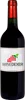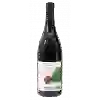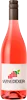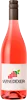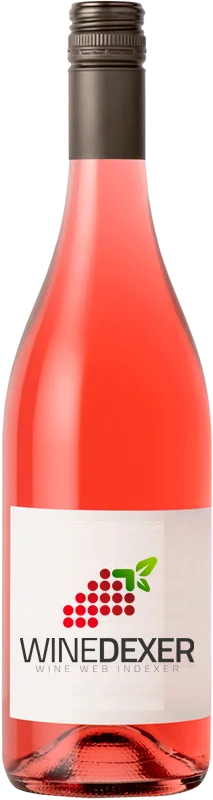
Winery Gilles PersilierCorent Luern Rosé
 Pink wine
This wine generally goes well with
The Corent Luern Rosé of the Winery Gilles Persilier is in the top 90 of wines of Puy-de-Dome.

Details and technical informations about Winery Gilles Persilier's Corent Luern Rosé.
Discover the grape variety: Dunkelfelder
Intensely coloured and supple reds with an inky, near-black robe, melted tannins and a fruity mouthfeel, with simple aromas of black fruits (blackberry, blackcurrant), cherry, plum and floral notes. A dye variety (red pulp) mainly used in blending to boost the colour of light reds (notably Pinot Noir) in Germany (Pfalz), Switzerland and England. A German hybrid created in 1939 at Geisenheim (Färbertraube × Pinot Noir).
Informations about the Winery Gilles Persilier
The Winery Gilles Persilier is one of of the world's greatest estates. It offers 7 wines for sale in the of Puy-de-Dome to come and discover on site or to buy online.

The wine region of Puy-de-Dome
Volcanic Auvergne IGP at the heart of the Chaîne des Puys (basalts, pumice, red clays and pebbles): Gamay signature red king (~80%) — more tannic, spicy and floral (iris, violet) profile than in Beaujolais, contained nerviness preserved. Pinot Noir complementary signature — delicately liquorice notes, lightness and singular dynamism in difficult climate. Alternative grapes outside AOC Côtes d'Auvergne, slow minerality from volcanic soils.
The wine region of Val de Loire
France's most diverse vineyard, 800 km along the Loire (~48,300 ha). Flagship whites: lively, mineral Sauvignon from Sancerre-Pouilly (citrus, boxwood, gunflint), Loire Chenin from vibrant dry to noble sweet wines (quince, honey, taut acidity), Melon de Bourgogne of saline Muscadet on lees. Cabernet Franc reds (Chinon, Bourgueil, Saumur-Champigny): raspberry, bell pepper, graphite, silky tannins. Sparkling Cremants with brioche-apple notes.
The word of the wine: Performance
Quantity of grapes harvested per hectare. In AOC, the average yield is limited on the proposal of the appellation syndicate, validated by the Inao. The use of high-performance plant material (especially clones) and better control of vine diseases have increased yields. This is not without consequences on the quality of the wines (dilution) and on the state of the market (too much wine). We must not over-simplify: low yields are not synonymous with quality, and it is often in years with generous harvests that we find the greatest vintages (1982 and 1986 in Bordeaux, 1996 in Champagne, 1990 and 2005 in Burgundy...).