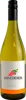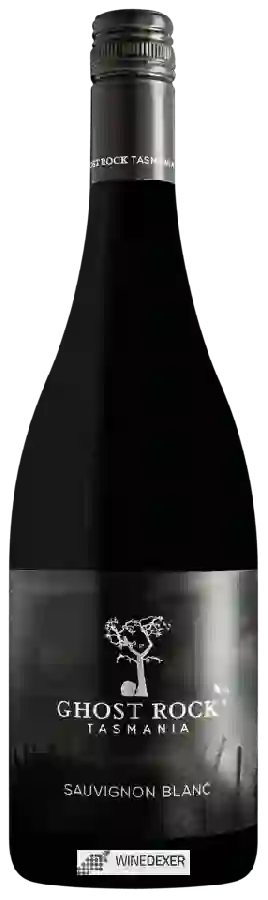
Winery Ghost RockSauvignon Blanc
 White wine


In the mouth this white wine is a powerful with a nice freshness.
This wine generally goes well with vegetarian, shellfish or goat cheese.

Taste structure of the Sauvignon Blanc from the Winery Ghost Rock
Light | Bold | |
Dry | Sweet | |
Soft | Acidic |
In the mouth the Sauvignon Blanc of Winery Ghost Rock in the region of Tasmanie is a powerful with a nice freshness.
Food and wine pairings with Sauvignon Blanc
Pairings that work perfectly with Sauvignon Blanc


Original food and wine pairings with Sauvignon Blanc
The Sauvignon Blanc of Winery Ghost Rock matches generally quite well with dishes of shellfish, vegetarian or goat cheese such as recipes of mie goreng, vegan leek and tofu quiche or goat cheese and bacon quiche.
Details and technical informations about Winery Ghost Rock's Sauvignon Blanc.
Discover the grape variety: Touriga Francesa
Structured, aromatic reds with a dark ruby robe, fine tannins and a dense palate, showing signature aromas of red and black fruits (cherry, blackberry), flowers (violet, rose), soft spices and balsamic notes. Fine ageing potential; the aromatic signature of the Douro. An essential component of great vintage Ports and dry reds from Douro DOC, one of the five classic Port varieties. The historical synonym for Touriga Franca, an indigenous Portuguese variety from the Douro.
Last vintages of this wine

The best vintages of Sauvignon Blanc from Winery Ghost Rock are 2018, 2019, 0, 2016
Informations about the Winery Ghost Rock
The Winery Ghost Rock is one of of the world's greatest estates. It offers 22 wines for sale in the of Tasmanie to come and discover on site or to buy online.

The wine region of Tasmanie
Cool austral island south of Australia, a cool-climate benchmark. Signature Pinot Noir: fine, fresh reds with notes of red cherry, raspberry, wild strawberry and spices, delicate tannins and taut acidity — often compared to Burgundy. Precise, mineral Chardonnay (lemon, brioche), vibrant dry Riesling. Renowned speciality: refined traditional-method sparklers, among the best outside France.
The word of the wine: Ladle
Said of a wine that is not clear due to the presence of colloidal suspensions that prevent the passage of light.