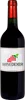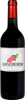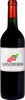
Germanier – Cave du TunnelTradition Gamay
 wine
wine
This wine generally goes well with
The Tradition Gamay of the Germanier – Cave du Tunnel is in the top 0 of wines of Valais.

Details and technical informations about Germanier – Cave du Tunnel's Tradition Gamay.
Discover the grape variety: Pinot Beurot
Structured, aromatic dry whites with a slightly deep golden hue, ample body and fresh acidity; signature aromas of yellow fruits (pear, quince), honey, gentle spices, smoke and Burgundian mineral notes. Fine ageing potential. A very minor traditional component of great white Burgundies, grown in tiny quantities in Bourgogne. Burgundian synonym for Pinot Gris, a grey-skinned mutation of Pinot Noir.
Informations about the Germanier – Cave du Tunnel
The Germanier – Cave du Tunnel is one of of the world's great estates. It offers 7 wines for sale in the of Valais to come and discover on site or to buy online.

The wine region of Valais
Switzerland's largest vineyard, capital of native grapes. Straight, precise alpine whites: light, floral Chasselas (Fendant), signature Petite Arvine with saline, grapefruit and rhubarb notes, rich, apricoty Amigne, mineral Humagne Blanche. Altitude reds: fine Pinot Noir, crisp Gamay, native Cornalin and Humagne Rouge, spicy and deep. Highly precise alpine age-worthy wines.
The word of the wine: Courgée
Name of the fruiting branch left after pruning and which is then arched along the trellis in the Jura (in the Mâconnais, it is called the tail).