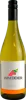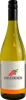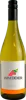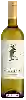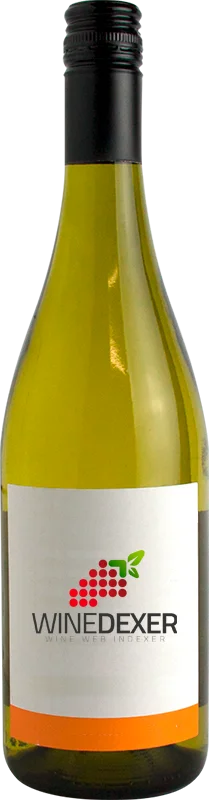
Winery Marks & SpencerPudding Muscat
 White wine


This wine generally goes well with spicy food and sweet desserts.
Wine flavors and olphactive analysis

On the nose the Pudding Muscat of Winery Marks & Spencer in the region of Pays d'Oc often reveals types of flavors of apples, honey or earth and sometimes also flavors of tree fruit.
Food and wine pairings with Pudding Muscat
Pairings that work perfectly with Pudding Muscat


Original food and wine pairings with Pudding Muscat
The Pudding Muscat of Winery Marks & Spencer matches generally quite well with dishes of spicy food or sweet desserts such as recipes of fish with madras curry and coconut milk or chocolate fondant.
Details and technical informations about Winery Marks & Spencer's Pudding Muscat.
Discover the grape variety: Cabernet franc
Cabernet Franc is one of the oldest red grape varieties in Bordeaux. The Libourne region is its terroir where it develops best. The terroirs of Saint-Emilion and Fronsac allow it to mature and develop its best range of aromas. It is also the majority in many blends. The very famous Château Cheval Blanc, for example, uses 60% Cabernet Franc. The wines produced with Cabernet Franc are medium in colour with fine tannins and subtle aromas of small red fruits and spices. When blended with Merlot and Cabernet Sauvignon, it brings complexity and a bouquet of aromas to the wine. It produces fruity wines that can be drunk quite quickly, but whose great vintages can be kept for a long time. It is an earlier grape variety than Cabernet Sauvignon, which means that it is planted as far north as the Loire Valley. In Anjou, it is also used to make sweet rosé wines. Cabernet Franc is now used in some twenty countries in Europe and throughout the world.
Informations about the Winery Marks & Spencer
The Winery Marks & Spencer is one of wineries to follow in Pays d'Oc.. It offers 455 wines for sale in the of Pays d'Oc to come and discover on site or to buy online.

The wine region of Pays d'Oc
Pays d'Oc is the PGI for red, white and rosé wines that are produced over a wide area of the southern coast of France. The PGI catchment area corresponds roughly to the Languedoc-roussillon">Languedoc-Roussillon wine region, one of the largest wine regions in France. The area covers all wines that are not produced under the strict laws that govern AOC-level appellations in the regions: among them, Corbières, Minervois and the Languedoc appellation itself. The Pays d'Oc PGI is arguably the most important in France, producing the majority of the country's PGI wines.
The word of the wine: Dismantling
After devatting, the pomace is removed from the tank. If this operation is carried out manually, it is important to ventilate the vat well to avoid the risk of accidents due to the presence of carbon dioxide.