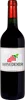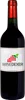
Winery GartelmannGeorg Petit Verdot
 Red wine
This wine generally goes well with beef and mature and hard cheese.

Food and wine pairings with Georg Petit Verdot
Pairings that work perfectly with Georg Petit Verdot


Original food and wine pairings with Georg Petit Verdot
The Georg Petit Verdot of Winery Gartelmann matches generally quite well with dishes of beef or mature and hard cheese such as recipes of beef tenderloin wellington or crozets carbonara with beaufort cheese au gratin.
Details and technical informations about Winery Gartelmann's Georg Petit Verdot.
Discover the grape variety: Petit Verdot
Dark, full-bodied reds with tight tannins and inky colour, showing aromas of blackberry, violet, gentle spice, liquorice and mentholated balsamic notes. Contributes colour, structure and aromatic freshness to great Médoc blends (Palmer, Léoville-Las Cases) where it remains a minority. Also vinified as a single variety in Spain (La Mancha), California, Australia and Argentina. A late-ripening Bordeaux variety.
Informations about the Winery Gartelmann
The Winery Gartelmann is one of of the world's great estates. It offers 25 wines for sale in the of Mudgee to come and discover on site or to buy online.

The wine region of Mudgee
Historic Australian high-altitude region (450-1,000 m) west of Sydney: signature Shiraz as king red - fleshy and spicy with notes of blackberry, plum, black cherry, chocolate, pepper and a eucalyptus touch, round tannins and generous alcohol. Structured Cabernet (blackcurrant, cedar) in renowned support. Ample Chardonnay and Sémillon in whites. Italian grapes (Sangiovese, Barbera) on the rise.
The wine region of Nouvelle-Galles du Sud
Australia's 2nd wine state with diverse regions. Iconic Hunter Valley: a Sémillon unlike any other, straight, low-alcohol dry whites with vivid citrus when young, evolving over 10-20 years toward honey, toast and lanolin. Medium-bodied Hunter Shiraz, spicy and earthy (leather, red fruits). Also round Chardonnay and aromatic Verdelho.
The word of the wine: Farm
Wine dominated by a strong acidity and/or biting tannins. In this case, the components of the wine need to melt, i.e. to harmonize during the maturation in the cellar.