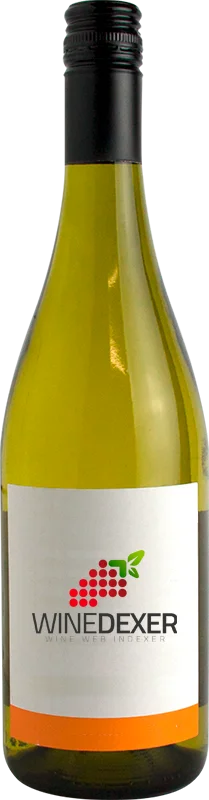
Winery GalićG-točka White
 White wine



This wine generally goes well with
The G-točka White of the Winery Galić is in the top 50 of wines of Kutjevo.
Wine flavors and olphactive analysis

On the nose the G-točka White of Winery Galić in the region of Kutjevo often reveals types of flavors of tree fruit, citrus fruit.
Details and technical informations about Winery Galić's G-točka White.
Discover the grape variety: Tannat meunier
This grape variety is found in southwestern France. It is a natural mutation of Tannat, so its resemblance is normal and only its very white down differentiates it. It is practically not propagated... another example of such a mutation, meunier or pinot meunier. - Synonymy: no synonym to date (for all the synonyms of grape varieties, click here!).
Last vintages of this wine
The best vintages of G-točka White from Winery Galić are 2018, 2017, 0, 2016 and 2015.
Informations about the Winery Galić
The Winery Galić is one of of the world's great estates. It offers 13 wines for sale in the of Kutjevo to come and discover on site or to buy online.

The wine region of Kutjevo
The wine region of Kutjevo of Croatia. Wineries and vineyards like the Domaine Ivan Enjingi or the Domaine Galić produce mainly wines white, red and pink. The most planted grape varieties in the region of Kutjevo are Merlot, Cabernet-Sauvignon and Pinot noir, they are then used in wines in blends or as a single variety. On the nose of Kutjevo often reveals types of flavors of honey, kiwi or spices and sometimes also flavors of tropical fruit, apples or lime.
The word of the wine: PGI
Protected geographical indication. Equivalent to vin de pays in European regulations.