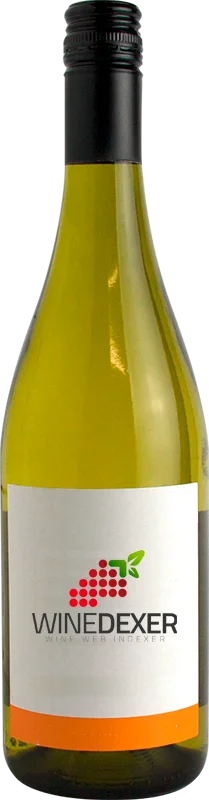
Winery GaladinoOrvieto Classico
 White wine


In the mouth this white wine is a with a nice freshness.
This wine generally goes well with vegetarian, appetizers and snacks or lean fish.
Taste structure of the Orvieto Classico from the Winery Galadino
Light | Bold | |
Dry | Sweet | |
Soft | Acidic |
In the mouth the Orvieto Classico of Winery Galadino in the region of Umbria is a with a nice freshness.
Food and wine pairings with Orvieto Classico
Pairings that work perfectly with Orvieto Classico



Original food and wine pairings with Orvieto Classico


The Orvieto Classico of Winery Galadino matches generally quite well with dishes of pasta, vegetarian or appetizers and snacks such as recipes of tagliatelle with seafood and saffron cream, zucchini quiche or mini burgers.
Details and technical informations about Winery Galadino's Orvieto Classico.
Discover the grape variety: Courbu
Courbu is indigenous to the Pyrenean vineyards. This white grape variety is part of the Jurançon family. Three clones are recognized in this variety, which buds in the medium term, develops regularly and has satisfactory productivity. The way in which the shoots form is characteristic. Initially upright, they bend and curve, giving a parasol-like finish to the vine. A vigorous rootstock is recommended to see the Courbu develop and mature at a late age. The small clusters display quite distinctive features. Not necessarily winged, they are pignate and stocky, with a rounded or rather flattened shape. A light pink veil covers the most mature berries, but the original colour varies from yellow-green to golden white. Vinification enhances the juice of this variety. The bouquet becomes more refined with age under a pale yellow colour. Dry or sweet, this wine is always remarkably fine.
Last vintages of this wine

The best vintages of Orvieto Classico from Winery Galadino are 2016, 2014, 0
Informations about the Winery Galadino
The Winery Galadino is one of of the world's great estates. It offers 38 wines for sale in the of Umbria to come and discover on site or to buy online.

The wine region of Umbria
Umbria, in CentralItaly, is a region of lush hills, hilltop villages and iconic historic towns. The latter are exemplified by Orvieto and Assisi. At the very heart of the Italian peninsula, it is surrounded by Tuscany, Marche and Lazio. It is in fact the only Italian region without a coastline or international border.
The word of the wine: OIV
International Organisation of Vine and Wine. Intergovernmental organization studying the technical, scientific or economic questions raised by the culture of the vine and the production of wine.