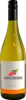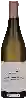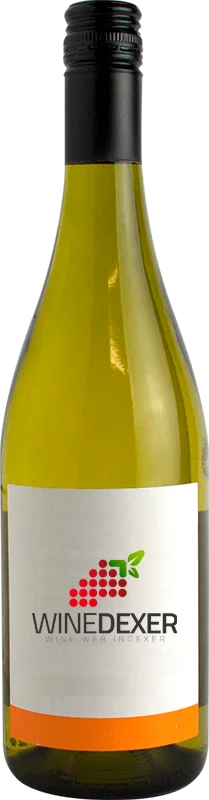
Winery Fuhrgassl HuberWiener Gemischter Satz Salmannsdorf
 White wine



This wine generally goes well with
Details and technical informations about Winery Fuhrgassl Huber's Wiener Gemischter Satz Salmannsdorf.
Discover the grape variety: Perlette
Crossing made in the United States in 1936 by Professor Harold P. Olmo of the University of Davis (California) between the queen of the vines and the sultana, registered in the Official Catalogue of vine varieties list A1. - Synonymy: no known synonym (for all the synonyms of the grape varieties, click here!).
Last vintages of this wine
The best vintages of Wiener Gemischter Satz Salmannsdorf from Winery Fuhrgassl Huber are 0
Informations about the Winery Fuhrgassl Huber
The Winery Fuhrgassl Huber is one of of the world's great estates. It offers 27 wines for sale in the of Wiener Gemischter Satz to come and discover on site or to buy online.

The wine region of Wiener Gemischter Satz
The wine region of Wiener Gemischter Satz is located in the region of Wien of Weinland of Austria. Wineries and vineyards like the Domaine Wieninger or the Domaine Christ produce mainly wines white, red and pink. The most planted grape varieties in the region of Wiener Gemischter Satz are Riesling, Chardonnay and Pinot blanc, they are then used in wines in blends or as a single variety. On the nose of Wiener Gemischter Satz often reveals types of flavors of pineapple, oak or straw and sometimes also flavors of gooseberry, elderflower or yeast.
The wine region of Weinland
Weinviertel DAC – whose name translates as "wine quarter" – is an appellation in Niederösterreich (Lower Austria). It is by far the largest Districtus Austriae Controllatus wine region in Austria. It was also the first Austrian wine region to be given that title, in 2002, with a DAC Reserve designation added in 2009. The designation applies only to white wines from the Grüner Veltliner Grape variety.
The word of the wine: Rosé de saignée
A method of making rosé wine that consists of partially draining a vat of red wine after a few hours of maceration. The longer the maceration, the stronger the colour. This practice gives rich and expressive rosés.