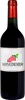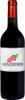
Winery Fuente ReinaFundus Coupage
 wine
wine
This wine generally goes well with
The Fundus Coupage of the Winery Fuente Reina is in the top 0 of wines of Sierra Norte de Sevilla.

Details and technical informations about Winery Fuente Reina's Fundus Coupage.
Discover the grape variety: Malvasia nera di Basilicata
Supple, aromatic reds with a deep ruby hue, moderate tannins and a light palate, showing aromas of dark fruits (blackberry, blackcurrant), violet, soft spices and floral notes. Fragrant, approachable profile. Often blended with Aglianico, it adds roundness and fruitiness to the reds of Vulture and southern Lucanian appellations. Black Malvasia variety grown in Basilicata, southern Italy.
Informations about the Winery Fuente Reina
The Winery Fuente Reina is one of of the world's greatest estates. It offers 14 wines for sale in the of Sierra Norte de Sevilla to come and discover on site or to buy online.

The wine region of Sierra Norte de Sevilla
Andalusian Vino de la Tierra (2004) northwest of Seville (Extremadura border), poor stony schist soils ideal for quality viticulture. Tempranillo, Merlot and Cabernet Sauvignon are the signature reds: fleshy and sun-drenched with ripe red and black fruits, plum, blackcurrant, garrigue and a Mediterranean spiced touch, ripe tannins — direct and flavourful style. Syrah and native Tintilla de Rota as complement. Chardonnay and Moscatel for aromatic whites.
The wine region of Andalousie
Dry, sun-baked southern Spain, world cradle of fortified and oxidative wines. Sherry from Jerez is the signature: Palomino Fino under a veil of flor yields lively, saline Fino with signature notes of almond, yeast, green apple and a sharp iodine edge; more maritime Manzanilla (Sanlúcar); unveiled Oloroso in grand oxidation (walnut, caramel, tobacco). Pedro Ximénez from Montilla-Moriles: intense dark sweet (fig, raisin, coffee, molasses). Also muscat Málaga.
The word of the wine: Phylloxera
Aphid that came from America and ravaged European vineyards at the end of the 19th century. It lives on the roots of the vine, from which it pumps the sap. The only vines capable of resisting it had to be imported from the United States, and then grafted onto their root system the wood of traditional French grape varieties. Today, grafted vines are always planted.