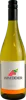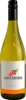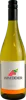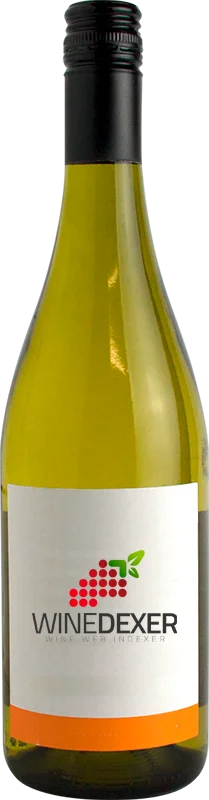
Winery Fuchs JacobusGrauer Burgunder Trocken
 White wine



In the mouth this white wine is a .
This wine generally goes well with pork, cured meat or mushrooms.

Taste structure of the Grauer Burgunder Trocken from the Winery Fuchs Jacobus
Light | Bold | |
Dry | Sweet | |
Soft | Acidic |
In the mouth the Grauer Burgunder Trocken of Winery Fuchs Jacobus in the region of Nahe is a .
Food and wine pairings with Grauer Burgunder Trocken
Pairings that work perfectly with Grauer Burgunder Trocken


Original food and wine pairings with Grauer Burgunder Trocken

The Grauer Burgunder Trocken of Winery Fuchs Jacobus matches generally quite well with dishes of pork, spicy food or mushrooms such as recipes of croque-monsieur, shrimp in coconut milk curry or arctic char with baby vegetables.
Details and technical informations about Winery Fuchs Jacobus's Grauer Burgunder Trocken.
Discover the grape variety: Foch
Colourful and simply fruity reds with a deep purple hue, silky tannins and an airy palate with preserved acidity, featuring aromas of black fruits (blackcurrant, blackberry), spices and smoky notes. Cold- and mildew-resistant. Grown mainly in Canada (Quebec, Nova Scotia, Ontario) and the north-eastern United States for vineyards with a rigorous continental climate. Black hybrid grape (synonym Maréchal Foch), obtained in 1911 by Eugène Kuhlmann in Alsace.
Last vintages of this wine
The best vintages of Grauer Burgunder Trocken from Winery Fuchs Jacobus are 0, 2017
Informations about the Winery Fuchs Jacobus
The Winery Fuchs Jacobus is one of of the world's greatest estates. It offers 45 wines for sale in the of Nahe to come and discover on site or to buy online.

The wine region of Nahe
Homeland of a mineral Riesling of exceptional geological expression: lively, precise whites with notes of peach, citrus, green apple, gunflint and fine salinity, from taut dry to botrytised sweet. 75% whites, Riesling king (27%) complemented by round Pinot Gris and supple Pinot Blanc. Rising reds: silky Spätburgunder with red fruit, darker Dornfelder. 4,240 ha along the Nahe river, among the most diverse soils in Germany (180 formations).
The word of the wine: Yeast
Micro-organisms at the base of all fermentative processes. A wide variety of yeasts live and thrive naturally in the vineyard, provided that treatments do not destroy them. Unfortunately, their replacement by laboratory-selected yeasts is often the order of the day and contributes to the standardization of the wine. Yeasts are indeed involved in the development of certain aromas.