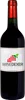
Winery Fuchs JacobusBergwind Weisser Burgunder Auslese
 White wine
In the mouth this white wine is a with a nice freshness.
This wine generally goes well with rich fish (salmon, tuna etc), shellfish or mild and soft cheese.

Taste structure of the Bergwind Weisser Burgunder Auslese from the Winery Fuchs Jacobus
Light | Bold | |
Dry | Sweet | |
Soft | Acidic |
In the mouth the Bergwind Weisser Burgunder Auslese of Winery Fuchs Jacobus in the region of Nahe is a with a nice freshness.
Food and wine pairings with Bergwind Weisser Burgunder Auslese
Pairings that work perfectly with Bergwind Weisser Burgunder Auslese



Original food and wine pairings with Bergwind Weisser Burgunder Auslese

The Bergwind Weisser Burgunder Auslese of Winery Fuchs Jacobus matches generally quite well with dishes of rich fish (salmon, tuna etc), shellfish or mild and soft cheese such as recipes of tuna flan with leek coulis, mussels with rosemary and barbecue or honey chicken salad.
Details and technical informations about Winery Fuchs Jacobus's Bergwind Weisser Burgunder Auslese.
Discover the grape variety: Azal Branco
Lively, light whites best enjoyed young, with a pale golden robe, a nervy palate with very pronounced acidity, and signature aromas of citrus (lemon), green apple, white flowers and fresh herbal notes. A traditional component of Vinho Verde DOC blends (Amarante, Baião, Basto), contributing freshness and slight pétillance to the whites of northwest Portugal. White-skinned mutation of the Azal, autochthonous Portuguese grape from the Minho.
Informations about the Winery Fuchs Jacobus
The Winery Fuchs Jacobus is one of of the world's great estates. It offers 45 wines for sale in the of Nahe to come and discover on site or to buy online.

The wine region of Nahe
Homeland of a mineral Riesling of exceptional geological expression: lively, precise whites with notes of peach, citrus, green apple, gunflint and fine salinity, from taut dry to botrytised sweet. 75% whites, Riesling king (27%) complemented by round Pinot Gris and supple Pinot Blanc. Rising reds: silky Spätburgunder with red fruit, darker Dornfelder. 4,240 ha along the Nahe river, among the most diverse soils in Germany (180 formations).
The word of the wine: Lightning
Large capacity barrel.