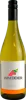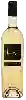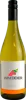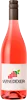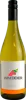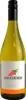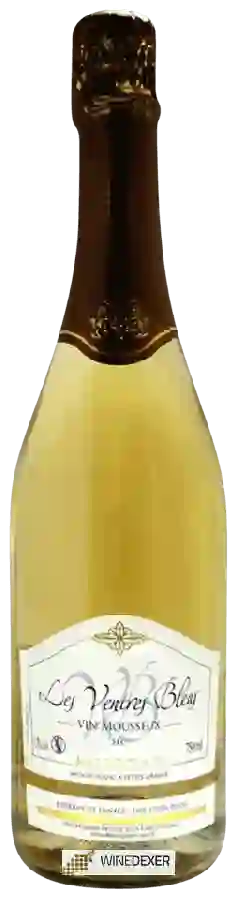
Cave des Vignerons de FrontignanLes Ventres Bleus Vin Mousseux Sec Muscat
 Sparkling wine



This wine generally goes well with spicy food and sweet desserts.
The Les Ventres Bleus Vin Mousseux Sec Muscat of the Cave des Vignerons de Frontignan is in the top 10 of wines of Muscat de Frontignan.
Food and wine pairings with Les Ventres Bleus Vin Mousseux Sec Muscat
Pairings that work perfectly with Les Ventres Bleus Vin Mousseux Sec Muscat


Original food and wine pairings with Les Ventres Bleus Vin Mousseux Sec Muscat
The Les Ventres Bleus Vin Mousseux Sec Muscat of Cave des Vignerons de Frontignan matches generally quite well with dishes of spicy food or sweet desserts such as recipes of risotto milanese or tarte tatin.
Details and technical informations about Cave des Vignerons de Frontignan's Les Ventres Bleus Vin Mousseux Sec Muscat.
Discover the grape variety: Impératriz
Intraspecific variety obtained in Argentina by Angelo Gargiulo by crossing the emperor with the sultana. Almost unknown in France.
Last vintages of this wine
The best vintages of Les Ventres Bleus Vin Mousseux Sec Muscat from Cave des Vignerons de Frontignan are 2013
Informations about the Cave des Vignerons de Frontignan
The Cave des Vignerons de Frontignan is one of of the world's greatest estates. It offers 31 wines for sale in the of Muscat de Frontignan to come and discover on site or to buy online.

The wine region of Muscat de Frontignan
Muscat de Frontignan is an appellation for naturally Sweet wines from Frontignan-la Peyrade, a town on the Mediterranean coast in the Languedoc-roussillon">Languedoc-Roussillon region of southern France. The wines are made only from Muscat Blanc à Petits Grains. It is also used in the other Muscats of Languedoc (Muscat de Lunel, Muscat de Mireval and Muscat de Saint-Jean-de-Minervois). It is considered the best member of the Muscat family.
The wine region of Languedoc-Roussillon
Languedoc (formerly Coteaux du Languedoc) is a key appellation used in the Languedoc-Roussillon wine region of southern France. It covers Dry table wines of all three colors (red, white and rosé) from the entire region, but leaves Sweet and Sparkling wines to other more specialized appellations. About 75% of all Languedoc wines are red, with the remaining 25% split roughly down the middle between whites and rosés. The appellation covers most of the Languedoc region and almost a third of all the vineyards in France.
The word of the wine: Chartreuse
In the Bordeaux region, small castle from the 18th or early 19th century.