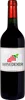
Winery Frolich HakeSaale-Unstrut Buntsandstein Silvaner
 Red wine



This wine generally goes well with pork, vegetarian or poultry.
Food and wine pairings with Saale-Unstrut Buntsandstein Silvaner
Pairings that work perfectly with Saale-Unstrut Buntsandstein Silvaner



Original food and wine pairings with Saale-Unstrut Buntsandstein Silvaner


The Saale-Unstrut Buntsandstein Silvaner of Winery Frolich Hake matches generally quite well with dishes of veal, pork or vegetarian such as recipes of potjevleesch, chicken drumstick with bacon or quiche lorraine.
Details and technical informations about Winery Frolich Hake's Saale-Unstrut Buntsandstein Silvaner.
Discover the grape variety: Pinot noir
Pinot noir is an important red grape variety in Burgundy and Champagne, and its reputation is well known! Great wines such as the Domaine de la Romanée Conti elaborate their wines from this famous grape variety, and make it a great variety. When properly vinified, pinot noit produces red wines of great finesse, with a wide range of aromas depending on its advancement (fruit, undergrowth, leather). it is also the only red grape variety authorized in Alsace. Pinot Noir is not easily cultivated beyond our borders, although it has enjoyed some success in Oregon, the United States, Australia and New Zealand.
Last vintages of this wine
The best vintages of Saale-Unstrut Buntsandstein Silvaner from Winery Frolich Hake are 0
Informations about the Winery Frolich Hake
The Winery Frolich Hake is one of of the world's greatest estates. It offers 18 wines for sale in the of Saale-Unstrut to come and discover on site or to buy online.

The wine region of Saale-Unstrut
Saale-Unstrut is the northernmost of Germany's 13 wine-growing regions. At 51 degrees northern latitude, it is one of the most northerly wine regions in the world. It takes its name from the two rivers on the banks of which the Vines of the region grow, and is composed of three non-contiguous Parts located mainly in the federal state of Saxony-Anhalt, with around 650 hectares (1600 acres) of Vineyards, often terraced, on South and south-west-facing slopes along the narrow river valleys. A smaller area of 20 hectares (50 acres) is located in the state of Thüringen and a block of just 7 hectares (17 acres) in Brandenburg.
The word of the wine: Friendly
Said of a wine whose aspects are pleasant and not too marked.