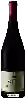
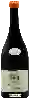
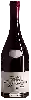
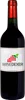
Winery Frederic MabileauSans Les Mains
 Red wine



This wine generally goes well with

Wine flavors and olphactive analysis



On the nose the Sans Les Mains of Winery Frederic Mabileau in the region of Loire Valley often reveals types of flavors of earth, spices.
Details and technical informations about Winery Frederic Mabileau's Sans Les Mains.
Discover the grape variety: Pineau d'Aunis
Light, spicy reds with a clear ruby robe, fine tannins and fresh acidity, with characteristic aromas of black pepper, red fruit (raspberry, redcurrant), spice and herbal notes. Airy, refreshing palate with a signature peppery finish. Also made as very expressive, taut rosés. Star of Coteaux du Vendômois AOC, present in Anjou, Touraine and Coteaux du Loir AOC. Autochthonous Loire Valley variety, present since the 12th century (favourite wine of Henry Plantagenet).
Last vintages of this wine
The best vintages of Sans Les Mains from Winery Frederic Mabileau are 2015
Informations about the Winery Frederic Mabileau
The Winery Frederic Mabileau is one of of the world's greatest estates. It offers 15 wines for sale in the of Saint-Nicolas-de-Bourgueil to come and discover on site or to buy online.

The wine region of Saint-Nicolas-de-Bourgueil
Cabernet Franc (Breton) signature as monovarietal on the north bank of the Loire in Touraine, ≤10% Cabernet Sauvignon: fresh vibrant reds with bursting aromas of raspberry, cherry, blackcurrant and floral and spicy touches, fine tannins and silky palate. Light fruity gravel wines to drink young, more structured mineral tuffeau wines suitable for 5-6 years of aging. Luminous ruby robe. AOC neighbor of Bourgueil, pure Loire identity of Cabernet Franc.
The wine region of Loire Valley
Kingdom of lively, dry whites and fine sparklers. Mineral, taut Sauvignon Blanc (Sancerre, Pouilly-Fumé) with citrus and gunflint notes. Multiform Chenin Blanc (Vouvray, Savennières, Layon): straight dry, floral off-dry or noble sweet honey-quince. Saline, iodised Muscadet (Melon B.
The word of the wine: Deposit
Solid particles that can naturally coat the bottom of a bottle of wine. It is rather a guarantee that the wine has not been mistreated: in fact, to avoid the natural deposit, rather violent processes of filtration or cold passage (- 7 or - 8 °C) are used in order to precipitate the tartar (the small white crystals that some people confuse with crystallized sugar: just taste to dissuade you from it)