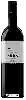
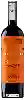
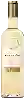
Winery Francisco CasasCamparrón Albus
 White wine


This wine generally goes well with

Details and technical informations about Winery Francisco Casas's Camparrón Albus.
Discover the grape variety: Muscardin
Light, fresh reds with a clear ruby hue, rounded tannins and an elegant palate, with delicate aromas of red fruits (raspberry, cherry), soft spices, garrigue herbs and floral notes. Airy profile adding freshness to warm Rhône blends. Traditional component of Châteauneuf-du-Pape AOC (one of 13 authorised varieties) and Côtes du Rhône AOC. Rare native French variety from the southern Rhône Valley, a witness to Rhodanian heritage.
Last vintages of this wine
The best vintages of Camparrón Albus from Winery Francisco Casas are 0, 2016
Informations about the Winery Francisco Casas
The Winery Francisco Casas is one of of the world's great estates. It offers 29 wines for sale in the of Toro to come and discover on site or to buy online.

The wine region of Toro
Historic DO of Castile and León, Duero valley near Portugal. Signature Tinta de Toro (local Tempranillo clone, 70%): powerful, concentrated reds with signature notes of blackberry, candied black cherry, plum, leather, tobacco, cocoa and spice, firm tannins and a dense palate — sunny wines of great ageing. Also round Garnacha, Malvasia and Verdejo as fresh whites. Extreme continental climate (40 °C summers), vineyards between 600-750 m.
The wine region of Castille-et-Léon
Cradle of great Castilian reds on high-altitude plateaus (450-1000 m) of the Duero. Tempranillo king (Tinto Fino, Tinta de Toro): powerful, structured reds with notes of black cherry, blackberry, plum, leather and spices, firm tannins and length worthy of long ageing. Stars: Ribera del Duero (Vega Sicilia, Pingus), fleshy Toro, Bierzo (fresh mineral Mencía). Lively herbaceous Verdejo whites from Rueda, cut grass and citrus.
The word of the wine: Breeding
It can last for several years. The bottles are stacked in the cellars and waited for the light and heat. The yeasts gradually give the wine compounds that enrich it. A long maturation is a guarantee of quality.