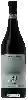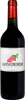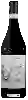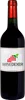
Winery Boschis FrancescoCorte del Pepe Rosso
 wine
wine
This wine generally goes well with
The Corte del Pepe Rosso of the Winery Boschis Francesco is in the top 0 of wines of Barolo.
Details and technical informations about Winery Boschis Francesco's Corte del Pepe Rosso.
Discover the grape variety: Altesse
The Altesse white grape variety is French in origin, but its ancestors were brought from Cyprus. It then developed in the vineyards of the southeast of the country. The Montagnieu fusette or arbane, as it is also called, buds early in the year. A cottony veil covers the first buds. The involuted blade and the U-shaped petiolar sinus distinguish the adult, three-lobed leaves. During, sometimes for late vengeance, the clusters of medium or small size are winged, compact and cylindrical.the fruits reveal a melting pulp under a film of variable color. The pink-tan colour replaces the early reddish yellow when the berries ripen. If they persist, the berries take on a lilac hue. The vinification promises sparkling, aromatic and elegant sweet whites, or dry whites. Altesse is a grape variety to be carefully maintained against acariosis and erinosis.
Informations about the Winery Boschis Francesco
The Winery Boschis Francesco is one of of the world's great estates. It offers 15 wines for sale in the of Barolo to come and discover on site or to buy online.

The wine region of Barolo
The wine region of Barolo is located in the region of Piémont of Italy. We currently count 911 estates and châteaux in the of Barolo, producing 2022 different wines in conventional, organic and biodynamic agriculture. The wines of Barolo go well with generally quite well with dishes .
The wine region of Piedmont
Piedmont (Piemonte) holds an unrivalled place among the world's finest wine regions. Located in northwestern Italy, it is home to more DOCG wines than any other Italian region, including such well-known and respected names as Barolo, Barbaresco and Barbera d'Asti. Though famous for its Austere, Tannic, Floral">floral reds made from Nebbiolo, Piedmont's biggest success story in the past decade has been Moscato d'Asti, a Sweet, Sparkling white wine. Piedmont Lies, as its name suggests, at the foot of the Western Alps, which encircle its northern and western sides and form its naturally formidable border with Provence, France.
The word of the wine: Finesse
Quality of a delicate and elegant wine.