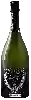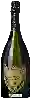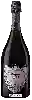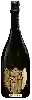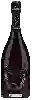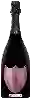
Winery TailleventPhantom of The Opera Brut Rosé Champagne
 Sparkling wine
This wine generally goes well with pork, rich fish (salmon, tuna etc) or shellfish.

Food and wine pairings with Phantom of The Opera Brut Rosé Champagne
Pairings that work perfectly with Phantom of The Opera Brut Rosé Champagne



Original food and wine pairings with Phantom of The Opera Brut Rosé Champagne

The Phantom of The Opera Brut Rosé Champagne of Winery Taillevent matches generally quite well with dishes of pork, rich fish (salmon, tuna etc) or shellfish such as recipes of baked pumpkin, marmite dieppoise or chicken maffé (africa).
Details and technical informations about Winery Taillevent's Phantom of The Opera Brut Rosé Champagne.
Discover the grape variety: Albillo mayor
Structured, fat dry whites with a pale golden robe, an ample palate and preserved acidity of refined yellow fruits (pear, peach, apricot), candied citrus, white flowers, fennel and calcareous mineral notes. Fine lees-ageing potential. Emerging star of Ribera del Duero DO whites (officially approved in 2019) on the Castilian high plateaus. Native Spanish grape of the upper Douro valley, descendant of hebén, in full qualitative revival.
Informations about the Winery Taillevent
The Winery Taillevent is one of wineries to follow in Champagne.. It offers 5 wines for sale in the of Champagne to come and discover on site or to buy online.

The wine region of Champagne
World benchmark sparkling wines: fine bubbles, citrusy tension, notes of brioche, toasted almond, white flowers and white-fleshed fruits after ageing on lees. Three grapes blended or solo: fleshy Pinot Noir (38%), fruity Meunier (33%), chiselled Chardonnay (28%). From straight Blanc de Blancs to vinous Blanc de Noirs, from non-vintage Brut to age-worthy Millésimé. AOC since 1927, 34,300 ha on chalk, 17 Grands Crus and 44 Premiers Crus.
The word of the wine: Presses
The juice that results from pressing the grapes after fermentation. At the end of the maceration, the vats are emptied, the first juice obtained is called the free-run wine and the marc remaining at the bottom of the vat is then pressed to give the press wine. We say more quickly "the presses". Their quality varies according to the vintage and the maceration. A too vigorous extraction releases the tannins of pips and the wine of press can then prove to be very astringent. Often the winemaker raises it separately, deciding later whether or not to incorporate it totally or partially into the grand vin.