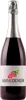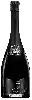
Winery Saint-Sauveur - Frèdéric ThomasCarte Noire Demi-Sec Champagne
 Sparkling wine
This wine generally goes well with pork, rich fish (salmon, tuna etc) or shellfish.

Food and wine pairings with Carte Noire Demi-Sec Champagne
Pairings that work perfectly with Carte Noire Demi-Sec Champagne



Original food and wine pairings with Carte Noire Demi-Sec Champagne

The Carte Noire Demi-Sec Champagne of Winery Saint-Sauveur - Frèdéric Thomas matches generally quite well with dishes of pork, rich fish (salmon, tuna etc) or shellfish such as recipes of kale soup, sea bream with white wine or lobster armorican style.
Details and technical informations about Winery Saint-Sauveur - Frèdéric Thomas's Carte Noire Demi-Sec Champagne.
Discover the grape variety: Cortese
Lively, structured whites with firm acidity and a slender mouth, featuring aromas of citrus (lemon, grapefruit), green apple, white flowers, fresh almond and chalky mineral notes. Typically saline finish. The absolute star of Gavi DOCG (Cortese di Gavi), one of Italy's great whites, also made as sparkling wines and aged cuvées. Present in Colli Tortonesi DOC and Lombardy. Native Piedmontese grape from the southeast, with a long tradition of noble whites.
Informations about the Winery Saint-Sauveur - Frèdéric Thomas
The Winery Saint-Sauveur - Frèdéric Thomas is one of of the world's greatest estates. It offers 9 wines for sale in the of Champagne to come and discover on site or to buy online.

The wine region of Champagne
World benchmark sparkling wines: fine bubbles, citrusy tension, notes of brioche, toasted almond, white flowers and white-fleshed fruits after ageing on lees. Three grapes blended or solo: fleshy Pinot Noir (38%), fruity Meunier (33%), chiselled Chardonnay (28%). From straight Blanc de Blancs to vinous Blanc de Noirs, from non-vintage Brut to age-worthy Millésimé. AOC since 1927, 34,300 ha on chalk, 17 Grands Crus and 44 Premiers Crus.
The word of the wine: Noble rot
A fungus called botrytis cinerea that develops during the over-ripening phase, an ally of great sweet white wines, when it concentrates the juice of the berries. It requires the humidity of morning fogs and beautiful sunny days, gives musts very rich in sugar and brings to the wines the famous taste of "roasted".