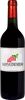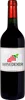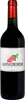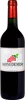
Winery Marie-Louise ParisotChâteauneuf-du-Pape
 Red wine
This wine generally goes well with poultry, beef or veal.

Food and wine pairings with Châteauneuf-du-Pape
Pairings that work perfectly with Châteauneuf-du-Pape



Original food and wine pairings with Châteauneuf-du-Pape

The Châteauneuf-du-Pape of Winery Marie-Louise Parisot matches generally quite well with dishes of lamb, pork or poultry such as recipes of navarin of lamb, pork roll with tomato sauce or quiche with mixed vegetables.
Details and technical informations about Winery Marie-Louise Parisot's Châteauneuf-du-Pape.
Discover the grape variety: Ribolla gialla
Lively, taut whites with firm acidity and a slender mouth, featuring aromas of citrus, green apple, white flowers, fresh herbs and chalky mineral notes. Often vinified with skin maceration (orange wine), developing amber hues of dried fruits, honey, tannins and oxidative complexity. Signature of great Friulian whites (Collio DOC, Colli Orientali del Friuli DOC) and Slovenia under the name Rebula (Brda). Native Friulian grape.
Informations about the Winery Marie-Louise Parisot
The Winery Marie-Louise Parisot is one of of the world's great estates. It offers 76 wines for sale in the of Châteauneuf-du-Pape to come and discover on site or to buy online.

The wine region of Châteauneuf-du-Pape
Pinnacle of great southern Rhône reds, up to 13 blended grapes: signature Grenache as king — powerful and structured with notes of black cherry, kirsch, garrigue, leather, tar and sweet spices, firm tannins when young and gamey complexity with ageing. Deep Syrah, dense Mourvèdre and supple Cinsault complete it. Rare full whites (Grenache Blanc, Clairette, Roussanne) with almond, anise, honeysuckle notes. Legendary AOC (1936), rolled pebbles, mistral and sun.
The wine region of Rhone Valley
France's 2nd-largest AOC vineyard, two complementary worlds. Northern: pure Syrah in signature reds (Côte-Rôtie, Hermitage, Cornas), deep and peppery with blackberry, violet, black olive and smoked bacon notes, exceptional ageing. Opulent Viognier whites (Condrieu, apricot, flowers) and ample Marsanne-Roussanne. Southern: sun-soaked Grenache blends at Châteauneuf, Gigondas, Vacqueyras (candied fruit, garrigue).
The word of the wine: Chaptalization
The addition of sugar at the time of fermentation of the must, an ancient practice, but theorized by Jean-Antoine Chaptal at the dawn of the 19th century. The sugar is transformed into alcohol and allows the natural degree of the wine to be raised in a weak or cold year, or - more questionably - when the winegrower has a harvest that is too large to obtain good maturity.