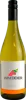
Winery François LurtonMelody Gros Manseng
 White wine



This wine generally goes well with

Wine flavors and olphactive analysis




On the nose the Melody Gros Manseng of Winery François Lurton in the region of Vin de France often reveals types of flavors of pineapple, grapefruit or citrus and sometimes also flavors of peach, green apple or pear.
Details and technical informations about Winery François Lurton's Melody Gros Manseng.
Discover the grape variety: Manseng
Light and fruity reds with a clear ruby robe, fine tannins and fresh acidity, with aromas of red fruits (raspberry, redcurrant), spices and herbaceous notes. An airy, easy-drinking style. Preserved in a few heritage plots in Béarn and the French Basque Country for its historical value. A very rare autochthonous south-west variety, with no direct genetic link to the white petit and gros manseng despite the shared name.
Last vintages of this wine
The best vintages of Melody Gros Manseng from Winery François Lurton are 2015, 2017, 2016
Informations about the Winery François Lurton
The Winery François Lurton is one of of the world's great estates. It offers 109 wines for sale in the of Vin de France to come and discover on site or to buy online.

The wine region of Vin de France
The freest category of French wine, the playground of winemakers working outside the AOC. All styles combined: fruity reds, lively or ambitious whites, everyday rosés, unusual blends, natural wines, atypical grapes (Petit Manseng in Languedoc, Riesling in Provence), experimental winemaking (skin-contact whites, no sulphur). Grape and vintage labelling allowed, no geographic constraint. From the pop, convivial cuvée to the artisan gem: freedom in a bottle.
The word of the wine: Yellow wine
White wines from the Jura region aged in oak barrels without topping up for at least 6 years. A veil of yeast forms on the surface of the wine, which undergoes slow oxidation, giving it a particular taste reminiscent of nuts.