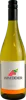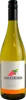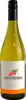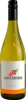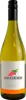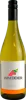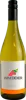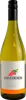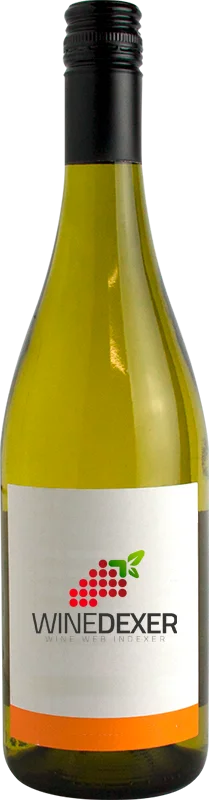
Domaine des HerbaugesHerbadilla
 White wine


In the mouth this white wine is a with a nice freshness.
This wine generally goes well with appetizers and snacks, lean fish or shellfish.
The Herbadilla of the Domaine des Herbauges is in the top 10 of wines of Muscadet-Côtes de Grandlieu.

Taste structure of the Herbadilla from the Domaine des Herbauges
Light | Bold | |
Dry | Sweet | |
Soft | Acidic |
In the mouth the Herbadilla of Domaine des Herbauges in the region of Muscadet-Côtes de Grandlieu is a with a nice freshness.
Wine flavors and olphactive analysis


On the nose the Herbadilla of Domaine des Herbauges in the region of Muscadet-Côtes de Grandlieu often reveals types of flavors of melon, tree fruit.
Food and wine pairings with Herbadilla
Pairings that work perfectly with Herbadilla



Original food and wine pairings with Herbadilla

The Herbadilla of Domaine des Herbauges matches generally quite well with dishes of shellfish, appetizers and snacks or lean fish such as recipes of fish curry à la reunion, fake foie gras or blanquette of monkfish and scallops.
Details and technical informations about Domaine des Herbauges's Herbadilla.
Discover the grape variety: Limberger
Structured and elegant reds, deep ruby colour, firm tannins and full mouth with preserved acidity, with signature aromas of red fruits (cherry, raspberry), dark fruits (blackberry), spices and pepper. Age-worthy profile. Grown in Germany (Württemberg) and the USA (Washington State). German synonym for Austrian Blaufränkisch and Lemberger, autochthonous Central European black grape.
Last vintages of this wine

The best vintages of Herbadilla from Domaine des Herbauges are 2007
Informations about the Domaine des Herbauges
The Domaine des Herbauges is one of of the world's great estates. It offers 55 wines for sale in the of Muscadet-Côtes de Grandlieu to come and discover on site or to buy online.

The wine region of Muscadet-Côtes de Grandlieu
Sub-appellation of Muscadet (1994, 717 ha) around Lac de Grandlieu south-west of Nantes: 100% Melon de Bourgogne as an exclusive dry white. Floral and mineral bouquet — pale robe with green glints, aromas of citrus (lemon, grapefruit), white flowers, iodine and saline notes. Lively, fresh and taut palate with high acidity and marked mineral character. Granitic, schistose and gneissic soils, softening lacustrine microclimate, ideal for sur-lie ageing.
The word of the wine: Bâtonnage
A very old technique that has come back into fashion in modern oenology, which consists of shaking the white wine in the barrels at the end of fermentation, or after fermentation, with a stick or a flail, in order to suspend the fine lees composed of yeasts at the end of their activity. This process is sometimes used for red wines.