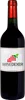
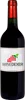
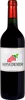
Winery C.V.BTerre Di Chieti rosso
 Red wine
This wine generally goes well with poultry, beef or veal.

Food and wine pairings with Terre Di Chieti rosso
Pairings that work perfectly with Terre Di Chieti rosso



Original food and wine pairings with Terre Di Chieti rosso

The Terre Di Chieti rosso of Winery C.V.B matches generally quite well with dishes of beef, pasta or veal such as recipes of beef tongue with mushrooms, macaroni and angel hair gratin or veal cutlets au gratin.
Details and technical informations about Winery C.V.B's Terre Di Chieti rosso.
Discover the grape variety: Sainte-croix
Fruity, supple reds for early drinking with a clear ruby robe, soft tannins, airy palate and fresh acidity; signature aromas of red fruits (cherry, raspberry) and discrete herbal notes. Accessible cold-hardy style. Cold-resistant, cultivated in cold North American regions (Quebec, Minnesota, Wisconsin), suited to continental climates. Black hybrid bred in 1998 by Elmer Swenson in Minnesota.
Informations about the Winery C.V.B
The Winery C.V.B is one of of the world's greatest estates. It offers 3 wines for sale in the of Terre di Chieti to come and discover on site or to buy online.

The wine region of Terre di Chieti
IGT of Abruzzo, kingdom of Italian value for money. Signature Montepulciano d'Abruzzo: fleshy, accessible reds with notes of ripe black cherry, plum, Mediterranean herbs and sweet spices, supple tannins and a moreish palate — an everyday wine. Trebbiano d'Abruzzo as fresh white. Native Pecorino in full revival: lively and mineral with citrus and white flowers.
The wine region of Abruzzo
Accessible, identity-driven Italian duo. Montepulciano d'Abruzzo as red: deep colour, intense aromas of black cherry, ripe plum, sweet spices and balsamic notes, round tannins and a gourmet finish, from everyday to age-worthy Riserva. Cerasuolo d'Abruzzo DOCG as a fleshy, fruity rosé (strawberry, pomegranate). Trebbiano d'Abruzzo as a straight white with citrus and white flowers, sublimated by a few cult producers (Valentini).
The word of the wine: Petite arvine
An ancient white grape variety from the Valais (Switzerland), which produces renowned wines suitable for ageing. Viney and sustained by a strong vivacity, these wines express a fine salty touch, the signature of this variety. Petite arvine wines can be dry, tender or made from withered grapes from late harvesting. Syn.: arvine.