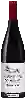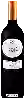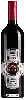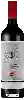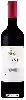
Château ConstanceNature Sauvage Cabardès
 Red wine
In the mouth this red wine is a powerful with a nice balance between acidity and tannins.
This wine generally goes well with beef, veal or pasta.
The Nature Sauvage Cabardès of the Château Constance is in the top 20 of wines of Cabardès.

Taste structure of the Nature Sauvage Cabardès from the Château Constance
Light | Bold | |
Smooth | Tannic | |
Dry | Sweet | |
Soft | Acidic |
In the mouth the Nature Sauvage Cabardès of Château Constance in the region of Languedoc-Roussillon is a powerful with a nice balance between acidity and tannins.
Food and wine pairings with Nature Sauvage Cabardès
Pairings that work perfectly with Nature Sauvage Cabardès



Original food and wine pairings with Nature Sauvage Cabardès
The Nature Sauvage Cabardès of Château Constance matches generally quite well with dishes of beef, pasta or veal such as recipes of celine's version of moussaka (5th meeting), pasta with vongoles (flat clams) or blanquette of veal in the old way (self-cooker).
Details and technical informations about Château Constance's Nature Sauvage Cabardès.
Discover the grape variety: Catawba
Aromatic and sweet whites and rosés, with a supple mouthfeel and preserved acidity, with intense aromas of fresh grape, strawberry, raspberry, flowers and the characteristic foxy note (the typical musky animal character of labrusca). Often vinified as medium-sweet, sparkling demi-sec and grape juice. Historic star of Ohio (Lake Erie), New York (Finger Lakes), Missouri and Ontario vineyards. A Vitis labrusca hybrid discovered around 1820 in North Carolina, one of the oldest American varieties.
Informations about the Château Constance
The Château Constance is one of of the world's greatest estates. It offers 3 wines for sale in the of Cabardès to come and discover on site or to buy online.

The wine region of Cabardès
AOC in western Languedoc on the foothills of the Montagne Noire, unique transition climate between Atlantic (Cers) and Mediterranean (Marin). Original rule: blend of Atlantic varieties (Cabernet, Merlot) and southern (Grenache, Syrah, Cinsault), each ≥40%. 85% powerful, elegant reds with wild strawberry, prune, blackcurrant, blackberry, garrigue, pepper and spice, firm tannins and fresh palate — fascinating dual personality. Gourmet rosés complement.
The wine region of Languedoc-Roussillon
Largest single French vineyard, dominated by sunny, generous reds. Spicy Syrah, candied Grenache (ripe fruit, garrigue), structured Carignan, deep Mourvèdre, supple Cinsault. Stars: structured Corbières, Minervois, Faugères, Saint-Chinian; round Côtes-du-Roussillon. Legendary vins doux naturels: Banyuls and Maury (fortified Grenache) with notes of cocoa, fig, prune.
The word of the wine: Game
A family of animal aromas reminiscent of venison and present in certain old red wines. See venison.