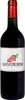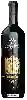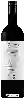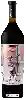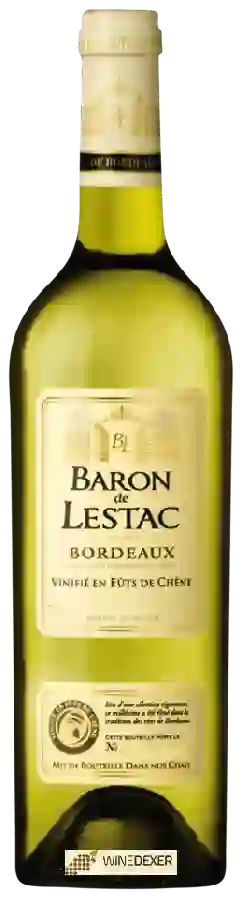
Winery Baron de LestacBordeaux Blanc
 White wine


In the mouth this white wine is a powerful.
This wine generally goes well with pork, vegetarian or poultry.
Taste structure of the Bordeaux Blanc from the Winery Baron de Lestac
Light | Bold | |
Dry | Sweet | |
Soft | Acidic |
In the mouth the Bordeaux Blanc of Winery Baron de Lestac in the region of Bordeaux is a powerful.
Wine flavors and olphactive analysis





On the nose the Bordeaux Blanc of Winery Baron de Lestac in the region of Bordeaux often reveals types of flavors of grapefruit, oaky or apples and sometimes also flavors of peach, butter or vanilla.
Food and wine pairings with Bordeaux Blanc
Pairings that work perfectly with Bordeaux Blanc



Original food and wine pairings with Bordeaux Blanc


The Bordeaux Blanc of Winery Baron de Lestac matches generally quite well with dishes of pork, vegetarian or poultry such as recipes of wild boar bourguignon, vegan leek and tofu quiche or buns.
Details and technical informations about Winery Baron de Lestac's Bordeaux Blanc.
Discover the grape variety: Bicane
We do not know exactly its origin. It has been used as a genitor to obtain new varieties, Pirovano's Italia in 1911 is a proud example. Today, it is no longer multiplied in nurseries and is therefore in danger of extinction.
Last vintages of this wine

The best vintages of Bordeaux Blanc from Winery Baron de Lestac are 2011, 2019, 2018, 2016 and 2017.
Informations about the Winery Baron de Lestac
The Winery Baron de Lestac is one of of the world's greatest estates. It offers 14 wines for sale in the of Bordeaux to come and discover on site or to buy online.

The wine region of Bordeaux
Bordeaux, in southwestern France, is one of the most famous, prestigious and prolific wine regions in the world. The majority of Bordeaux wines (nearly 90% of the production Volume) are the Dry, medium and Full-bodied red Bordeaux blends for which it is famous. The finest (and most expensive) are the wines of the great châteaux of Haut-Médoc and the right bank appellations of Saint-Émilion and Pomerol. The former focuses (at the highest level) on Cabernet Sauvignon, the latter on Merlot.
The word of the wine: Deposit
Solid particles that can naturally coat the bottom of a bottle of wine. It is rather a guarantee that the wine has not been mistreated: in fact, to avoid the natural deposit, rather violent processes of filtration or cold passage (- 7 or - 8 °C) are used in order to precipitate the tartar (the small white crystals that some people confuse with crystallized sugar: just taste to dissuade you from it)