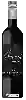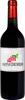
Winery ForwardBold Malbec - Cabernet
 Red wine


This wine is a blend of 2 varietals which are the Cabernet-Sauvignon and the Malbec.
This wine generally goes well with poultry, beef or lamb.
Food and wine pairings with Bold Malbec - Cabernet
Pairings that work perfectly with Bold Malbec - Cabernet



Original food and wine pairings with Bold Malbec - Cabernet


The Bold Malbec - Cabernet of Winery Forward matches generally quite well with dishes of beef, lamb or spicy food such as recipes of baked lasagna, sauté of lamb or tripe in the style of caen.
Details and technical informations about Winery Forward's Bold Malbec - Cabernet.
Discover the grape variety: Cabernet-Sauvignon
Cabernet-Sauvignon noir is a grape variety that originated in France (Bordeaux). It produces a variety of grape specially used for wine making. It is rare to find this grape to eat on our tables. This variety of grape is characterized by small bunches, and small grapes. Cabernet-Sauvignon noir can be found in many vineyards: South-West, Loire Valley, Languedoc & Roussillon, Cognac, Bordeaux, Armagnac, Rhone Valley, Provence & Corsica, Savoie & Bugey, Beaujolais.
Last vintages of this wine
The best vintages of Bold Malbec - Cabernet from Winery Forward are 2014, 0, 2015, 2013
Informations about the Winery Forward
The Winery Forward is one of of the world's greatest estates. It offers 4 wines for sale in the of Ontario to come and discover on site or to buy online.

The wine region of Ontario
Ontario is the most populated and prolific wine producing province in Canada. The Long established wine industry here is centered around the Great Lakes of Erie and Ontario, where the continental Climate is moderated heavily by the large bodies of water. The majority of wines produced in Ontario are Dry table wines (around 60 percent are white and 40 percent red). They are mostly made from Riesling, Cabernet Franc, Chardonnay, and Pinot Noir.
The word of the wine: Alcoholic fermentation
Transformation of sugars into alcohol under the effect of yeast. These yeasts exist in their natural state in the vineyards and in the cellars. Artificial seeding with selected yeasts is however very often practiced.