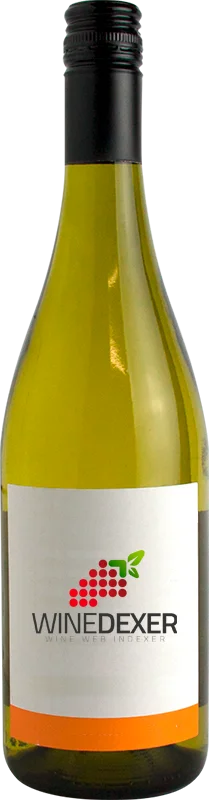
Domaine Fontanille HautBlanc
 White wine
This wine generally goes well with vegetarian, poultry or lean fish.

Food and wine pairings with Blanc
Pairings that work perfectly with Blanc



Original food and wine pairings with Blanc


The Blanc of Domaine Fontanille Haut matches generally quite well with dishes of pasta, vegetarian or poultry such as recipes of pasta with vegetables, quiche with bacon and gruyère cheese or turkey osso buco.
Details and technical informations about Domaine Fontanille Haut's Blanc.
Discover the grape variety: Galotta
Intensely coloured and structured reds with a deep purple robe, firm tannins and a dense mouthfeel, with aromas of black fruits (blackberry, blackcurrant, plum), cherry, spices and floral notes. A profile between Italian Ancellotta and French Gamay. Grown in Swiss Romandy (Vaud, Valais, Geneva) and Ticino for modern blends and identity cuvées. A Swiss hybrid created in 1981 at Pully by André Jaquinet (Ancellotta × Gamay), valued for its colour and resistance.
Informations about the Domaine Fontanille Haut
The Domaine Fontanille Haut is one of of the world's greatest estates. It offers 4 wines for sale in the of Minervois to come and discover on site or to buy online.

The wine region of Minervois
Mediterranean Languedoc reds (84% of output) north of the Canal du Midi. Signature Syrah with notes of blackberry, violet, black pepper and garrigue, blended with dense Mourvèdre, sunny Grenache (candied red fruits, spices) and old-vine Carignan (black fruits, dry herbs, firm tannins). Fleshy palate, freshness at altitude. Minervois-La Livinière cru at the top (1999), dense and age-worthy.
The wine region of Languedoc-Roussillon
Largest single French vineyard, dominated by sunny, generous reds. Spicy Syrah, candied Grenache (ripe fruit, garrigue), structured Carignan, deep Mourvèdre, supple Cinsault. Stars: structured Corbières, Minervois, Faugères, Saint-Chinian; round Côtes-du-Roussillon. Legendary vins doux naturels: Banyuls and Maury (fortified Grenache) with notes of cocoa, fig, prune.
The word of the wine: Passerillage
Concentration of the grape by drying out, under the influence of wind or sun, as opposed to botrytisation, which is the concentration obtained by the development of the "noble rot" for which Botrytis cinerea is responsible. The word is mainly used for sweet wines.