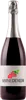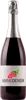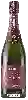
Winery FontanafreddaContessa Rosa Brut
 Sparkling wine



This wine generally goes well with

Wine flavors and olphactive analysis


On the nose the Contessa Rosa Brut of Winery Fontanafredda in the region of Piedmont often reveals types of flavors of microbio, red fruit.
Details and technical informations about Winery Fontanafredda's Contessa Rosa Brut.
Discover the grape variety: Bianchetta Trevigiana
Light and fresh dry whites with a pale golden robe, a supple palate and moderate acidity, with understated aromas of citrus, white flowers and white-fleshed fruits. Also used in discreet sparkling wines (Prosecco). Often blended with Glera, it contributes to Prosecco DOC sparkling wines and the dry local whites of the Colli Asolani. Native Italian white grape from Veneto, Treviso province — productive and historic.
Last vintages of this wine
The best vintages of Contessa Rosa Brut from Winery Fontanafredda are 2012, 0, 2008
Informations about the Winery Fontanafredda
The Winery Fontanafredda is one of of the world's great estates. It offers 145 wines for sale in the of Alta Langa to come and discover on site or to buy online.

The wine region of Alta Langa
Piedmontese DOCG on the high Langhe hills (Alessandria, Asti, Cuneo) above 250 m. Metodo classico sparkling (90-100% Pinot Noir and/or Chardonnay, min. 30 months on lees, 36 for Riserva): fine creamy bubbles with notes of citrus, yellow apple, brioche, hazelnut, white flowers and chalky touch, taut and precise palate — the great classic sparkler of Piedmont. Also delicate rosés.
The wine region of Piedmont
Kingdom of Nebbiolo: Barolo and Barbaresco DOCG, long-ageing reds with firm tannins and lively acidity, complex aromas of withered rose, sour cherry, tar, truffle and undergrowth. More accessible, tangy Barbera on red fruit, supple, crisp Dolcetto. Sweet, floral sparkling Moscato d'Asti, mineral, lemony Gavi (Cortese) white, round, almondy Arneis from Roero. 50,000 ha across the Langhe, Roero and Monferrato, UNESCO.
The word of the wine: Maturing (champagne)
After riddling, the bottles are stored on "point", upside down, with the neck of one bottle in the bottom of the other. The duration of this maturation is very important: in contact with the dead yeasts, the wine takes on subtle aromas and gains in roundness and fatness. A brut without year must remain at least 15 months in the cellar after bottling, a vintage 36 months.