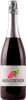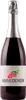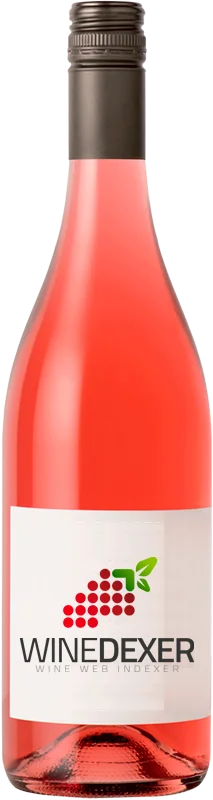
Winery FlaminiaDell'Emilia Lambrusco Rosato
 Pink wine


This wine generally goes well with pork, poultry or rich fish (salmon, tuna etc).

Food and wine pairings with Dell'Emilia Lambrusco Rosato
Pairings that work perfectly with Dell'Emilia Lambrusco Rosato



Original food and wine pairings with Dell'Emilia Lambrusco Rosato


The Dell'Emilia Lambrusco Rosato of Winery Flaminia matches generally quite well with dishes of pork, rich fish (salmon, tuna etc) or mature and hard cheese such as recipes of rougail sausage, mackerel in white wine or italian stuffed chicken.
Details and technical informations about Winery Flaminia's Dell'Emilia Lambrusco Rosato.
Discover the grape variety: Barbera blanche
Crisp, taut whites with a marked acidity, showing discreet aromas of green apple, citrus, white flowers and fresh herbal notes. Neutral and refreshing profile. Preserved in confidential parcels in Piedmont (Monferrato, Alessandria) for its heritage value, subject to ampelographic studies. Very rare autochthonous Piedmontese variety, with no genetic link to black barbera despite the shared name.
Last vintages of this wine
The best vintages of Dell'Emilia Lambrusco Rosato from Winery Flaminia are 0
Informations about the Winery Flaminia
The Winery Flaminia is one of of the world's greatest estates. It offers 1 wines for sale in the of Emilia-Romagna to come and discover on site or to buy online.

The wine region of Emilia-Romagna
Kingdom of Lambrusco: fresh, fruity sparkling reds (blackberry, cherry, violet), from gourmet dry to convivial off-dry, perfect with local charcuterie. World's best-selling sparkling wine on the Emilia side (Sorbara, Grasparossa, Salamino). East, Romagna: supple fruity Sangiovese, Albana (Italy's 1st white DOCG, 1987) ample and almondy. Also red Gutturnio and white Pignoletto.
The word of the wine: Fade
Wine lacking in sapidity, flat, soft and without character.