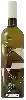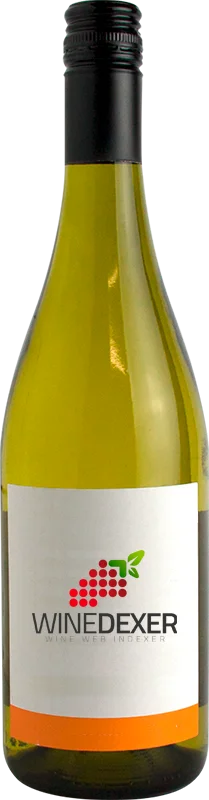
Filos EstateAspri Petra Assyrtiko
 White wine


This wine generally goes well with vegetarian, rich fish (salmon, tuna etc) or shellfish.

Wine flavors and olphactive analysis






On the nose the Aspri Petra Assyrtiko of Filos Estate in the region of Macedonia often reveals types of flavors of earth, microbio or vegetal and sometimes also flavors of oak, tree fruit or spices.
Food and wine pairings with Aspri Petra Assyrtiko
Pairings that work perfectly with Aspri Petra Assyrtiko



Original food and wine pairings with Aspri Petra Assyrtiko
The Aspri Petra Assyrtiko of Filos Estate matches generally quite well with dishes of rich fish (salmon, tuna etc), shellfish or vegetarian such as recipes of baked bar, fish and seafood gratin or cream and tuna quiche.
Details and technical informations about Filos Estate's Aspri Petra Assyrtiko.
Discover the grape variety: Assyrtiko
Taut and mineral whites with exceptional cutting acidity and a lean palate, on intense aromas of lemon, grapefruit, green apple, white flowers, smoke and strongly marked volcanic saline-iodine notes. Fine ageing potential. The absolute star of Santorini PDO on the volcanic soils of the Cyclades (vines trained in kouloura baskets to protect against wind). Now exported to Australia, California and South Africa. Native Greek variety.
Last vintages of this wine
The best vintages of Aspri Petra Assyrtiko from Filos Estate are 2020, 0
Informations about the Filos Estate
The Filos Estate is one of of the world's greatest estates. It offers 1 wines for sale in the of Macedonia to come and discover on site or to buy online.

The wine region of Macedonia
Large wine region of northern Greece, 1st by volume, altitude vineyards tempered by mountain massifs. Signature Xinomavro ("acid black") as king grape: structured, complex reds with signature notes of tart cherry, dried tomato, black olive, Mediterranean herbs, leather and a mineral touch, firm tannins and long ageing — compared to Nebbiolo. Stars in PDO Naoussa, Amyndeon, Goumenissa and Rapsani. Also lively, mineral Assyrtiko, aromatic Malagousia as whites.
The word of the wine: Chaptalization
The addition of sugar at the time of fermentation of the must, an ancient practice, but theorized by Jean-Antoine Chaptal at the dawn of the 19th century. The sugar is transformed into alcohol and allows the natural degree of the wine to be raised in a weak or cold year, or - more questionably - when the winegrower has a harvest that is too large to obtain good maturity.